


After the San Antonio Spurs traded for Kawhi Leonard in the 2011 NBA Draft, fans could not have predicted how quickly the rookie would rise to stardom. Spurs supporters immediately viewed Leonard as the franchise’s golden child, the perfect successor to Tim Duncan. Duncan had built his legacy on humility and silent dominance, never one to seek attention under the spotlight, which was the same path Leonard was following. However, what began as an ideal partnership eventually unraveled into the most uncomfortable moments in both Spurs’ and NBA history.
Under Gregg Popovich’s guidance, Leonard would transform from a defense-first player from San Diego State University into one of the league’s most complete two-way stars. During his start with the Spurs, he was often assigned as a guard for games. Popovich saw Leonard’s potential as the next face for the franchise early on in his career, though Leonard didn’t view himself in the same light. During the 2013 NBA finals, Leonard didn’t boast himself or agree with what his coach or others thought. He just saw himself as a “role player”, solely focusing on the game’s outcome and not seeking attention.
Leonard went on to earn Defensive Player of the Year honors twice, and by 2014 he had blossomed into the Spurs’ new cornerstone. At just 22 years old, he became the third-youngest Finals MVP in NBA history, averaging 17.8 points on 61% shooting against the Miami Heat, helping San Antonio secure its fifth championship. The Spurs seemed set for a seamless transition into the post-Duncan era, built around a superstar who embodied their culture of excellence.
However, a crucial turning point came during the 2017 Western Conference Finals against the Golden State Warriors. Leonard re-injured his ankle after landing on Zaza Pachulia’s foot, aggravating a trauma he had first suffered against the Houston Rockets earlier that year. The injury forced him to miss the remainder of the series, and while he returned briefly the following season, he appeared in just nine games from December 2017 to January 2018. In his final outing, he scored 19 points in 28 minutes against Denver, but soon after he reported renewed soreness in his quadriceps area again.
What might have been a routine injury dispute instead became a fracture of trust between Leonard and the Spurs. The team’s doctors cleared him to play, but Leonard’s personal medical staff disagreed, insisting his lingering quadriceps injury first linked to a deep bruise in March 2016 required more caution. The disagreement spiraled into a public rift, with teammates and fans left frustrated by his extended absence. Complicating matters further was Leonard’s silence. Known for his quiet demeanor, he rarely addressed the situation publicly, leaving most communication to his uncle and advisor, Dennis Robertson. Their growing influence on Leonard’s decisions fueled speculation and created a sense of disconnect between the player and the franchise.
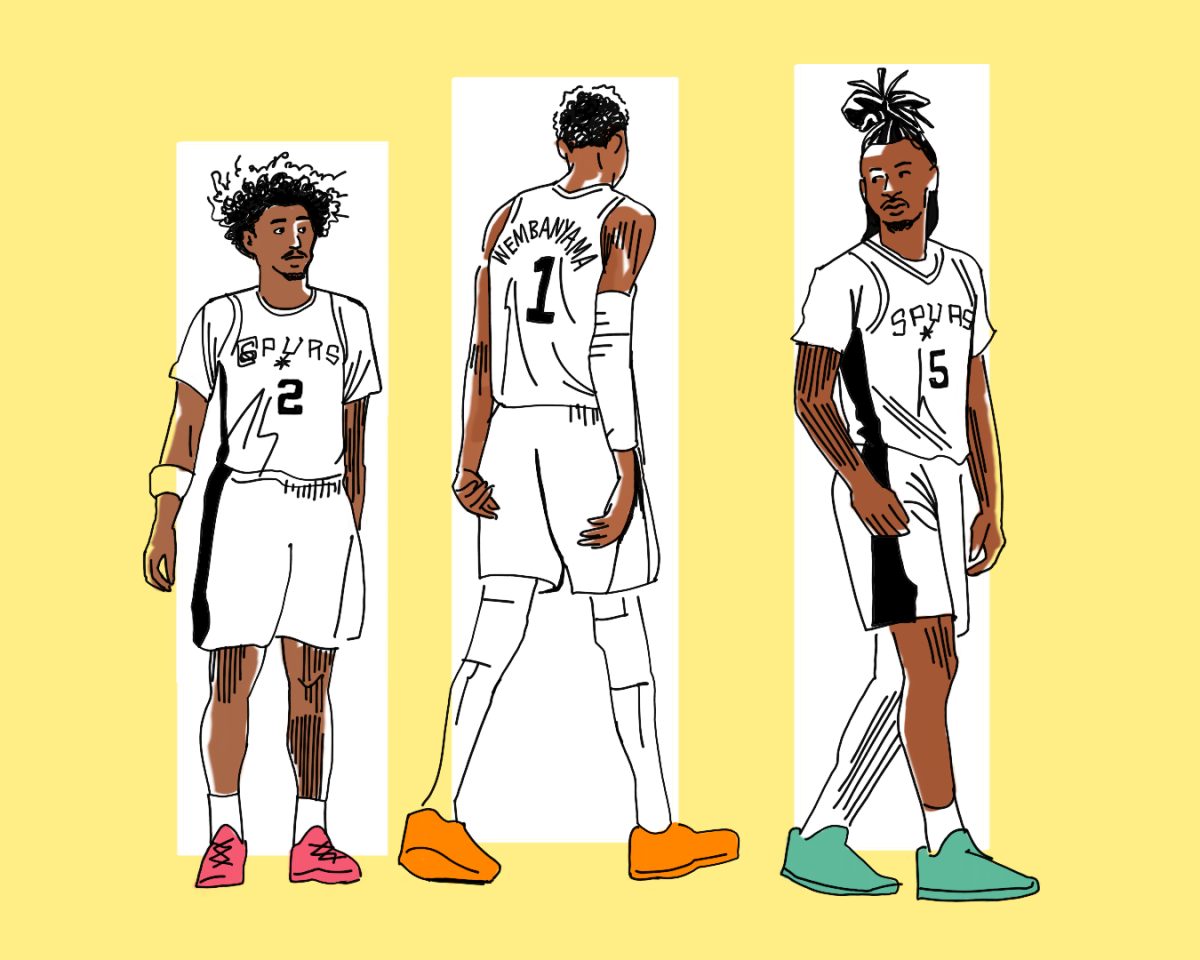
Leonard’s time with the Spurs was bittersweet. He was an amazing player who helped the franchise win their last championship in 2014, as well as carry the culture of excellence for the organization. Today, Leonard’s number 2 jersey is now worn by Spurs newcomer, Dylan Harper. Number 2 carries a legacy of greatness from Leonard and his time with the team. Leonard’s quiet demeanor, once a perfect fit for the Spurs image, became a veil over a widening rift for the franchise.



Brae Davis • Sep 17, 2025 at 2:27 pm
Great article highlighting a Spurs legend. I miss that 2013-2014 team, that was around the time I started really getting into watching and playing basketball!