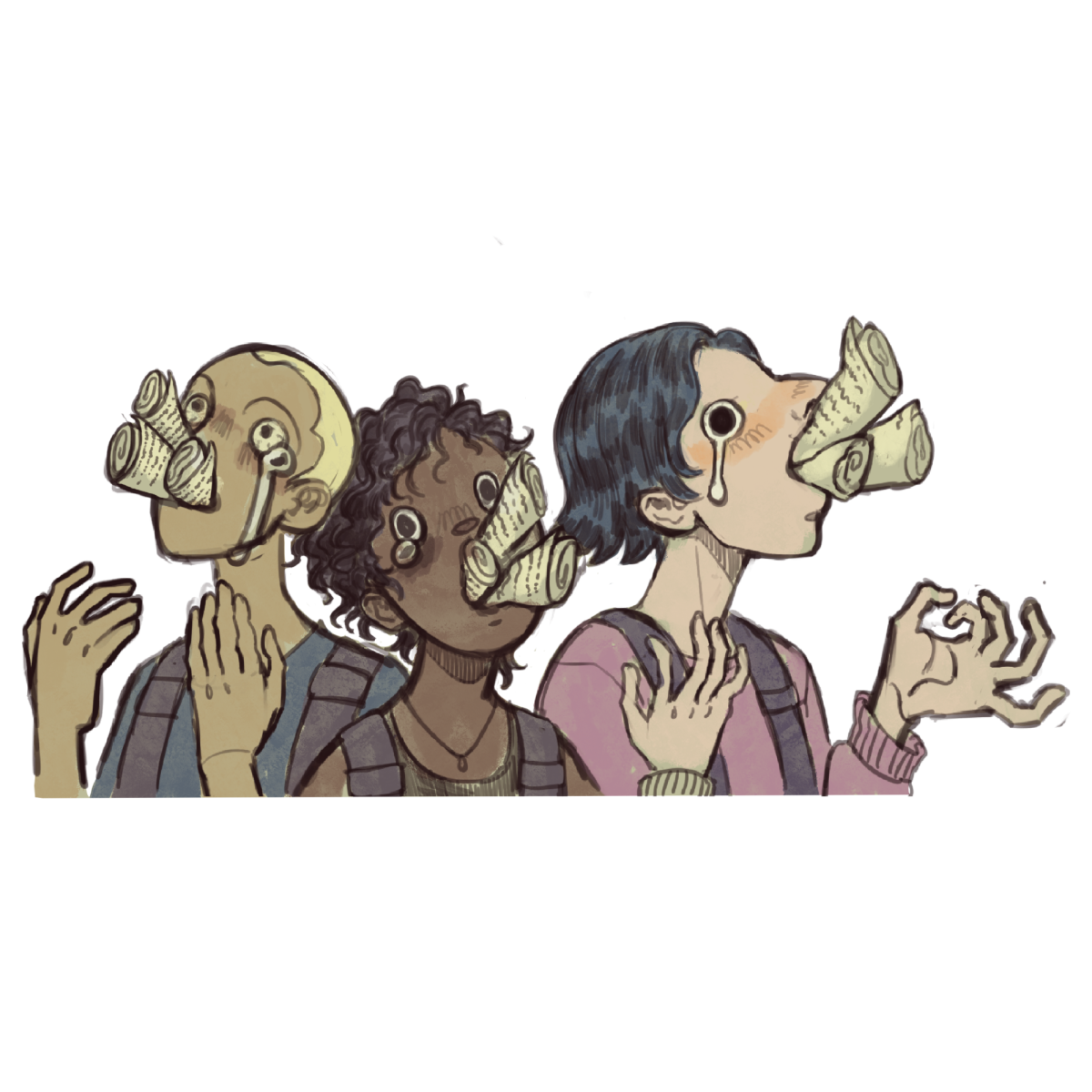
In a blatant attempt at political retaliation, the Department of Homeland Security placed approximately 20 employees from the Federal Emergency Management Agency on administrative leave after they wrote an open letter criticizing the direction the vital agency was taking under President Donald Trump’s administration. Trump, who recently attempted to reallocate $4 billion in disaster mitigation funding, is gutting this agency — and its effects are already being felt nationwide.
During the historic flooding that occurred in Kerr County, Texas, residents reported that they could not contact FEMA for assistance days after the water had subsided. According to NPR, the Department of Homeland Security let funding for the agency lapse, and FEMA was unable to staff its disaster relief hotline call centers. This problem was created by bottlenecks in funding disbursement, which is largely handled by Homeland Security Secretary Kristi Noem, who personally signs off on any aid disbursement over $100,000.
These hindrances are not only being seen in Texas, but all over the U.S. In an interview with PBS, Sarah Labowitz, a senior fellow at the Carnegie Endowment for International Peace, reported that this funding bottleneck has led to longer response times to requests for federal disaster aid.
“When a disaster hits, a governor typically makes a request to the federal government for help,” Labowitz said. “And what we’re seeing is that those requests are really stacking up, so that FEMA help is getting to places much slower than it was under the previous administration and even under the first President Trump administration.”
Labowitz also reports that the Trump administration is no longer approving requests for disaster mitigation aid, which state and local governments use to prepare for predicted disasters.
FEMA employees placed on leave warned the public that these changes to the agency could have grave consequences — consequences that echo past disasters.
In 2005, Hurricane Katrina slammed into Louisiana’s coastline, devastating New Orleans and the adjacent Plaquemines Parish. The City of New Orleans, in coordination with FEMA and other arms of the federal government, attempted a lackluster evacuation effort that was plagued with slow response times, miscommunication and incompetence. As a result, hundreds of people lost their lives and thousands of people were displaced from their homes. Scenes from this disaster were broadcast into the living rooms of millions of Americans. This tragedy shocked the nation, but when the scene cleared and the camera crews left, New Orleanians were left to pick up the pieces.
The failed response by FEMA was largely criticized at the time. Katrina was a generation-defining disaster — but if FEMA had provided a more coordinated effort, the loss of life could have been minimized. Katrina led to a comprehensive overhaul of FEMA by Congress.
The government learned from and responded to the mistakes committed by FEMA during Hurricane Katrina. This led to the agency saving countless lives in following disasters. However, if Trump’s agenda for the agency is implemented — if funding is frozen, staff is downsized and aid approvals are more selective — response times will only lengthen. Rescue operations will echo those of Katrina — lackluster, slow and incompetent. While these traits may be the reigning characteristics of Trump’s administration, these cannot be the characteristics that describe FEMA. When another disaster strikes, thousands of Americans will be in danger. There will be another disaster similar to Katrina, without aid from FEMA. This preventable calamity cannot be allowed to happen.