U.S. President Donald Trump signed his 200th executive order on Sept. 5, with the hefty price tag of an estimated $1 billion. It is not healthcare, nor reform, but a name change: the Department of Defense will once again be called the Department of War.
As newly-appointed Secretary of War, Pete Hegseth, declared, “We’re going to set the tone for this country: America first, peace through strength.”
Hegseth’s vision stands in direct contradiction to why former President Harry Truman changed the department’s name in 1948. In the wake of World War II, the name “defense” was chosen to usher forward an era of peace within the U.S., communicating to international adversaries that the nation’s mission is protection, not perpetual warfare. The change also unified the Army, Marine Corps and Navy under one branch, emphasizing cooperation over aggression.
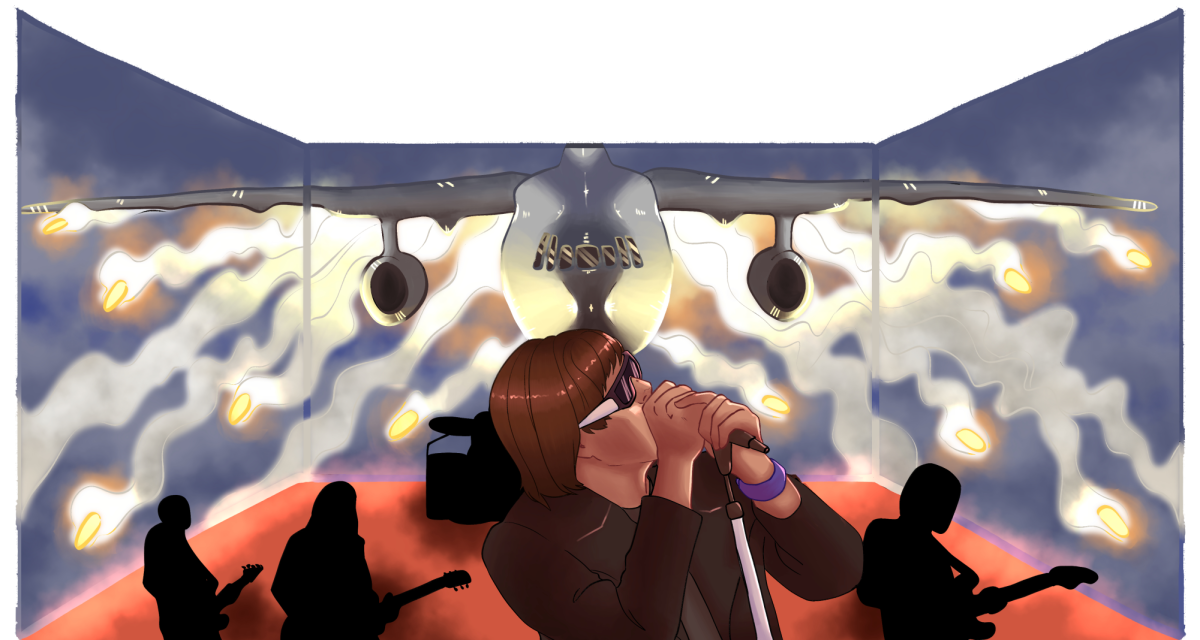
To return to “war” is more than just semantics. It projects a political ideology onto an institution designed for protection, disregards a long history of American military tradition and undermines Truman’s core message: American strength lies in peace, not through glorified combat.
Although this legislation may seem like mere wording, Politico projects the change will cost $1 billion — hardly symbolic to U.S. taxpayers. Trump frames this change as a correction to a “woke-y” defensive strategy, surmising, “it’s really about winning.” Given the nation’s increasingly aggressive stance in conflict zones — like Israel, Ukraine and the Panama Canal — this rebrand looks less like historical revisionism and more about openly embracing a new, offensive doctrine.
The price tag, $1 billion, could build highways, fund flood mitigation, drive transformative scientific research or conserve fragile ecosystems. At home, Americans face a continuous housing crisis, a shaky economic market, regular school shootings and the looming shadow of global warming. As Senator Tammy Duckworth, a military veteran, told Reuters, “Why not put this money toward supporting military families or toward employing diplomats that help prevent conflicts from starting in the first place?”
The truth is on our streets. Veterans make up a disproportionate amount of the homeless population in the U.S., undermining the outstanding sacrifices these service members made for this nation — one supposedly committed to its citizens’ protection.
The decision to pivot and prioritize defensive strategy is a reflection of Trump’s administration thus far. Reform is what citizens demand and require. Domination is what the administration delivers.
Names matter. They shape identity, history and intent. By trading “defense” for “war,” America tells the world –- and itself — that it no longer hides its fists behind open hands. America is preparing to swin