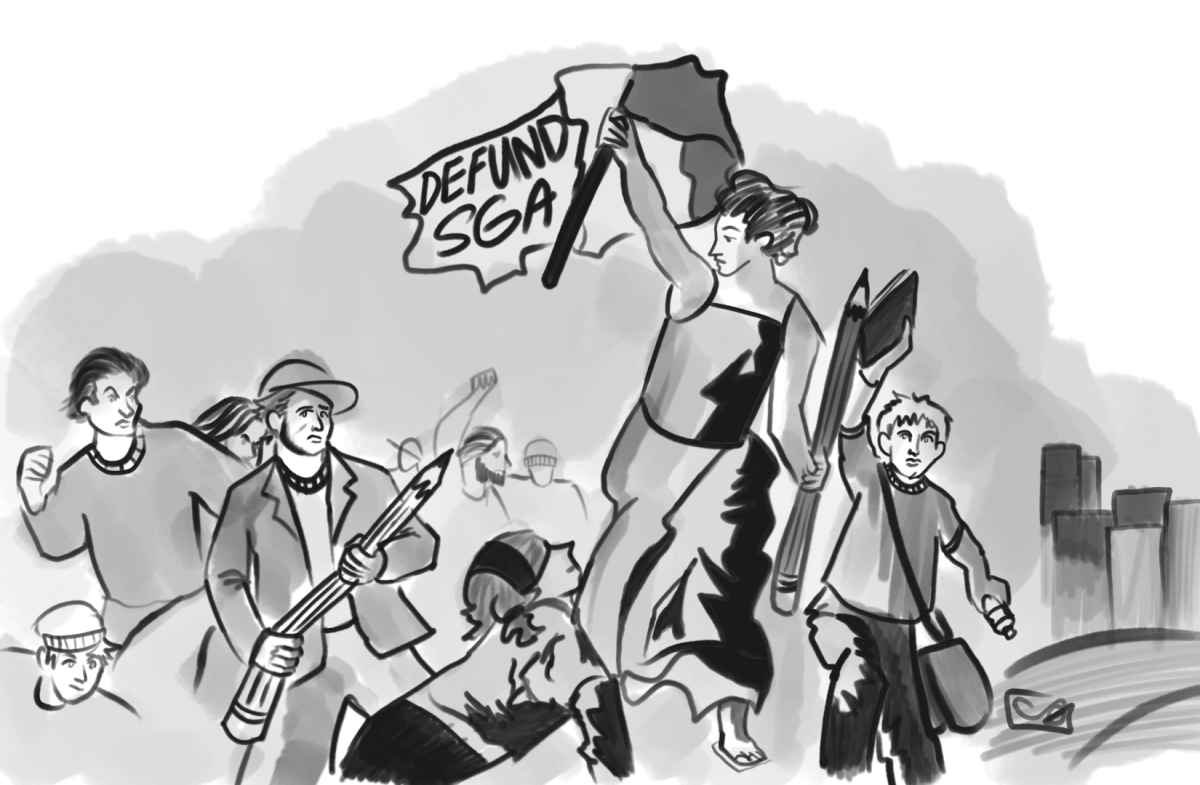
The 89th Texas Legislative session concluded with the passage of over 800 new laws going into effect since Sept. 1. Right in time for the 2025-2026 school year, Senate Bill 13 targets the catalog and materials of public school libraries, the creation of library advisory boards and the expansion of parental rights regarding catalogs and children’s access. This reshaping of the public school library system is rooted in the idea that protecting community values and parental rights holds a high value in children’s education. Nonetheless, this raises concerns of censorship, governmental overreach, and threatens the educational autonomy of our public schools.
SB 13 prohibits public school library material that contains “profane” or “indecent” content. However, these standards for exclusion are extremely vague; what one might believe is “grossly offensive language” can vary from person to person. Books that most Texas students have grown up reading in class, such as “To Kill a Mockingbird,” or just for fun like “The Hunger Games,” can be argued to contain profane and indecent content. Literature regarding race, prejudice, power and mortality can be completely wiped from the public school system.
A greater concern is parental access and control of not only their child but all children at the selected school. The bill allows parents access to a full catalog of available material, the right to submit a list of material their child is not allowed to check out and access to a record of the child’s library check-out history. In theory, a parent should have a say over their child’s access to explicit content; however, sometimes school is an escape for children from a suppressive and restricting household, especially in Texas.
Furthermore, it requires school districts to create Local School Library Advisory Councils, where the majority of voting members must be parents appointed as members. The purpose of such counsel is to uphold “community values” when selecting which books belong within the library. However, these values can vary from district to district and open the door to ideological policing of literature of all children based on the ideologies of a select group.
It is becoming difficult to define the difference between youth safety and youth censorship. Education is not supposed to be safe, in the sense that some literature is uncomfortable, supports challenges, and illuminates new ideas. Access to these books should not be restricted based on one individual’s worldview.