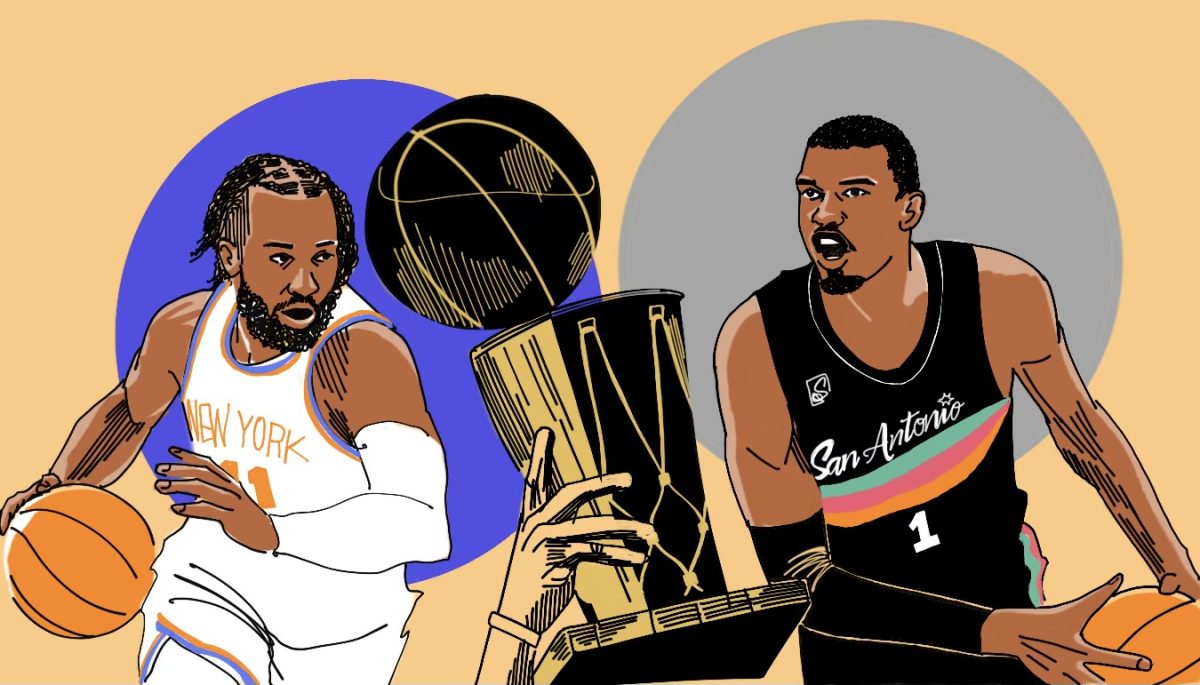
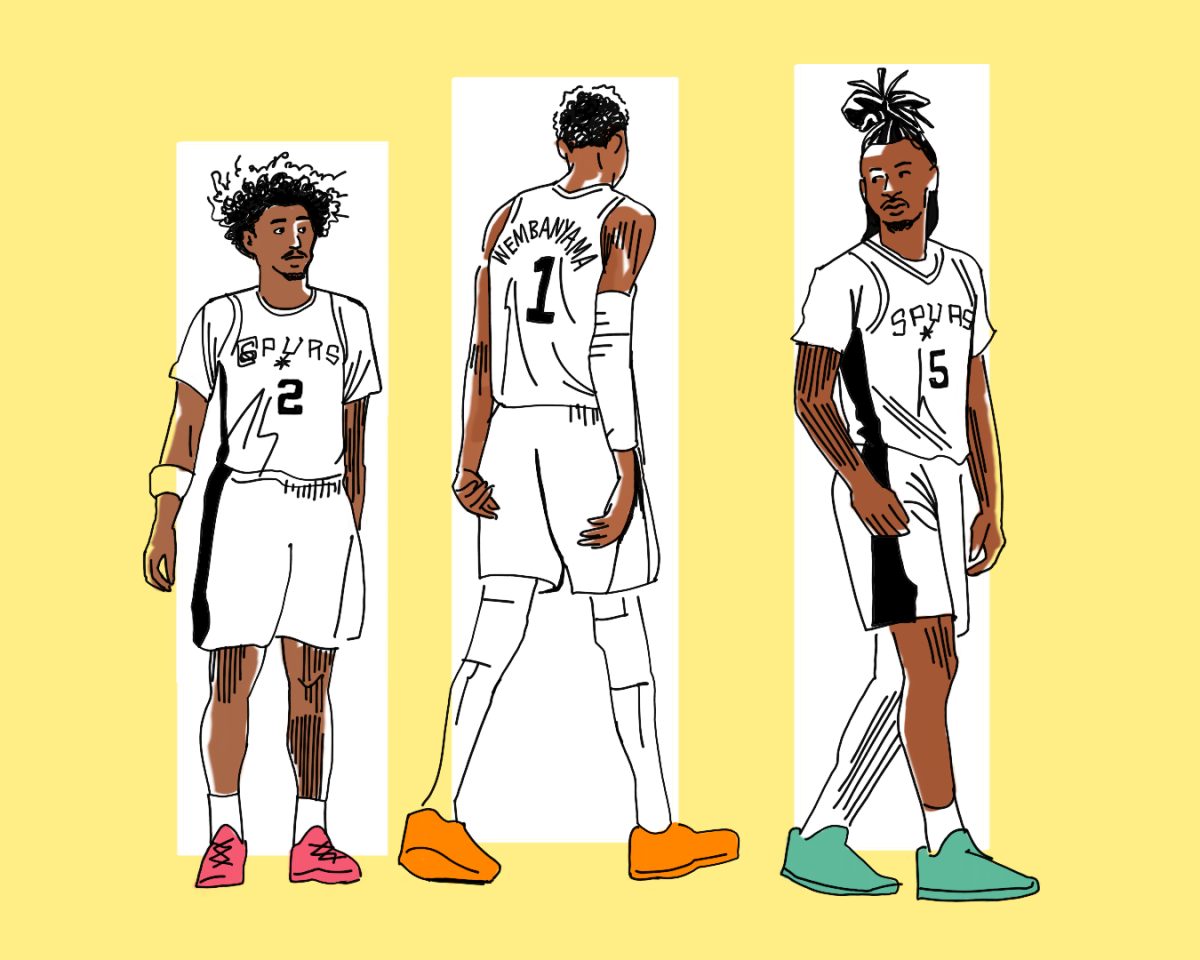
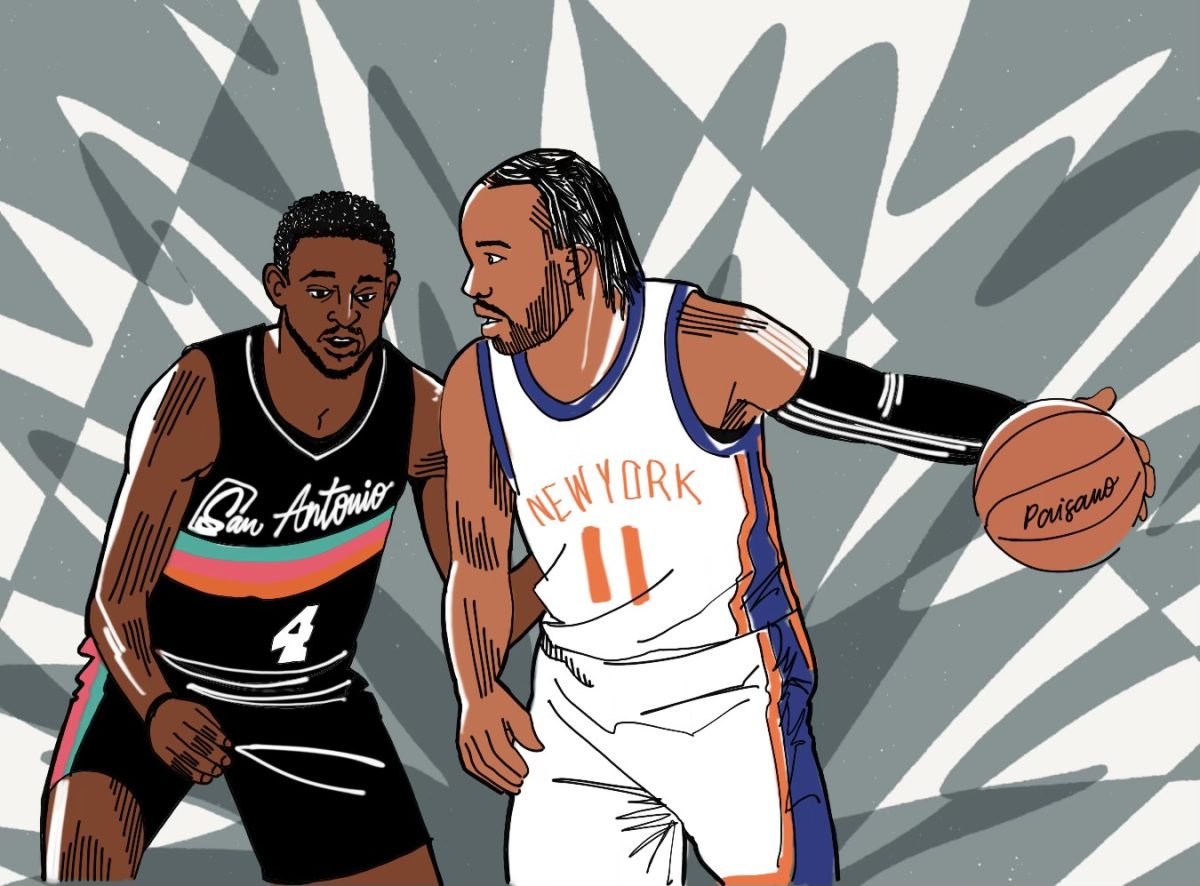
After miserable seasons from the Utah Jazz, Charlotte Hornets and Washington Wizards — franchises desperate for a lifeline — the NBA handed the top pick in the 2025 draft to the Dallas Mavericks. Just months earlier, Dallas had shipped out Luka Dončić, their lone superstar and face of the franchise. A deal that left fans in despair and furious, exposing the front office to ridicule. Instead of Cooper Flagg or Dylan Harper landing with a franchise clawing through a rebuild, a play-in squad that stumbled after a blockbuster misstep walked away with the league’s most valuable prize. The outcome showed exactly how the lottery is failing the teams it was built to help.
The lottery’s design is simple on paper. Fourteen non-playoff teams enter the drawing. Since 2019, the three worst clubs each hold a 14% chance at the top pick, with ping-pong ball combinations determining the order. Picks 15 through 30 are slotted by record, and play-in teams that miss the postseason also qualify. That is how Dallas, with a 1.8% chance, jumped from the back half of the field to the No. 1 pick.
The problem is not that long shots sometimes hit. It is that the flattened odds consistently punish the league’s weakest teams. The club with the worst record has not landed the first pick once since the reform and has fallen to fifth three years running. For rebuilding rosters, that is crippling. Utah, Washington and other struggling small market franchises cannot pivot through free agency. The draft is their only path forward, yet the structure keeps dragging them down.
The optics are even worse when fringe postseason teams leapfrog into the top spot. Atlanta did it in 2024 with 3% odds. Dallas did it the next year from the 11th slot. Both were play-in squads. Fans do not need conspiracy theories to feel cheated, as the process itself makes the outcome look unfair. A system built to serve the league’s weakest links is instead giving its biggest payoff to teams that were close to the playoffs.
There are practical fixes that could restore balance without inviting blatant tanking. Play-in teams should be ineligible for the lottery, with their odds redistributed to the franchises that truly missed the postseason. A team cannot claim to be rebuilding and postseason-caliber at the same time, yet the current rules let them benefit as if they were both.
Another adjustment would be to base odds on a two or three-year cumulative record. That reduces the incentive for a one-year tank job and rewards franchises that have been stuck at the bottom for longer stretches. Sustained need should carry more weight than a roster that collapsed for one season because of injuries.
Odds could also be trimmed for near-.500 teams, dropping them below 1%. This keeps the door open without routinely allowing solid rosters to vault past clubs that spent the year buried in the standings. Adding limits on major upward jumps in a rolling five-year window would further prevent repeat bailouts while keeping the randomness that discourages losing on purpose.
NBA Commissioner Adam Silver has often spoken about competitive balance, but the lottery is no longer serving that mission. The NBA’s weakest teams are stuck in place, decent teams are catching windfalls and fan bases in smaller markets are left wondering why they bothered to sit through another lost season. The league does not have to scrap the lottery, but it must reshape it so the worst teams finally have a clear shot at transformative talent. Hope belongs at the bottom, and right now, the lottery is sending it sideways.