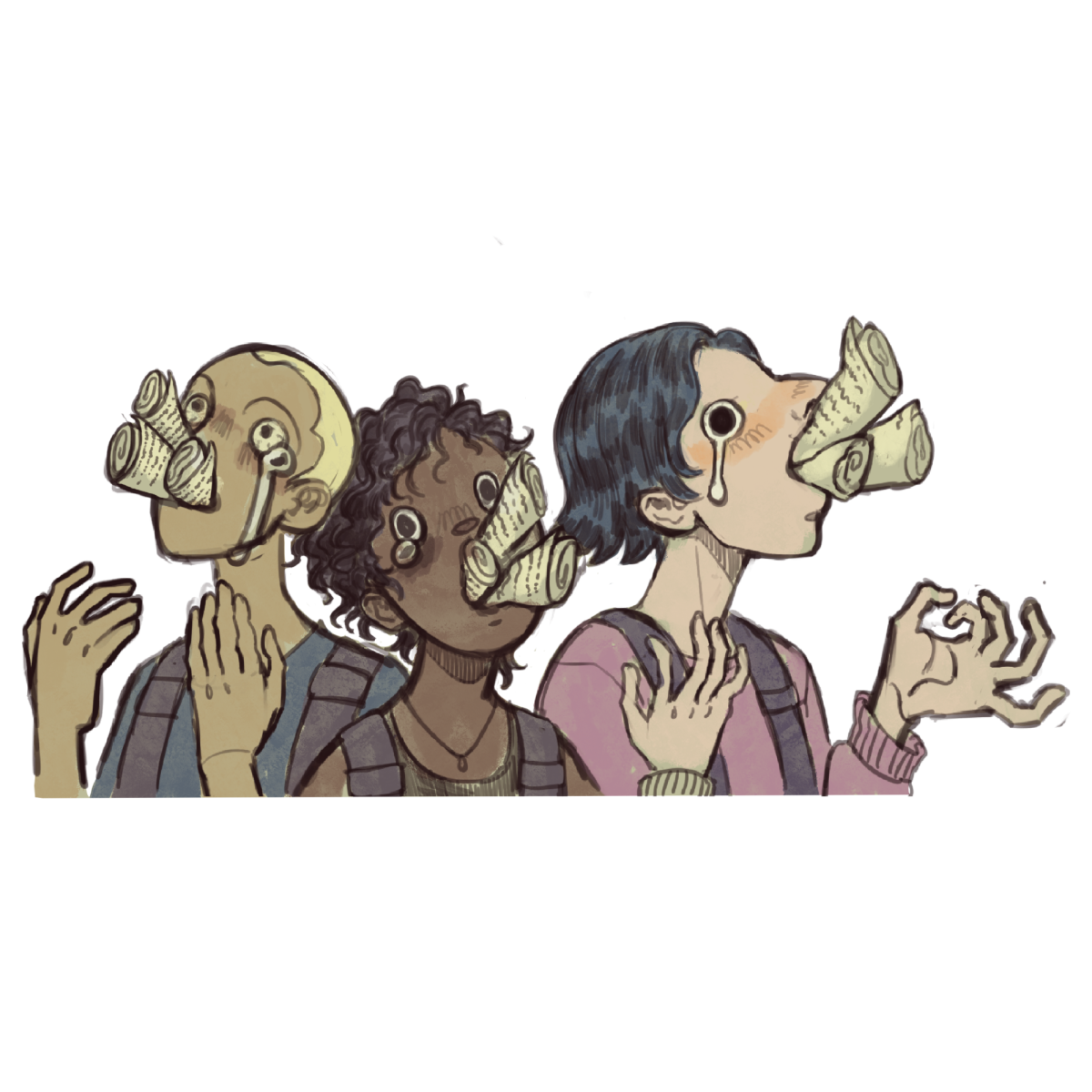
Homelessness disproportionately affects LGBTQ+ individuals. In the queer community, 28% of youth reported experiencing housing instability at best and homelessness at worst. Of all homeless youth, 40% are a part of the LGBTQ+ community, despite only 9.3% of people in the U.S. identifying this way. This points to a clear systematic and cultural problem in the country, as vulnerable queer youth are failed repeatedly by their families and the government. In San Antonio, LGBTQ+ homelessness has increased by 10% since 2020. This reveals a terrifying upward trend in the nation, exacerbated by harmful rhetoric in Texas and a lack of institutional help.
Recent Texas legislation contributes to destructive societal views surrounding the queer community. Earlier this year, Gov. Greg Abbott started an initiative to ban all diversity, equity and inclusion policies in Texas institutions, including universities. A host of bills were passed in 2023 that stripped rights from transgender individuals, such as banning puberty blockers and limiting gendered sports teams to biological sex.
Even drag communities — a pillar within the LGBTQ+ community — were targeted. A bill aimed at banning sexual performances in front of children used wording specifically attacking targeting drag shows, stating that any prosthetics used to enhance gendered characteristics would result in criminal charges. This selective wording singles out queer performers.
These recent state politics contribute to anti-LGBTQ+ rhetoric, which is why many gay youth become homeless. Familial rejection and unsafe living situations due to homophobia in Texas households lead many teens to live on the streets. As Christian, anti-queer rhetoric is continually perpetuated by Abbott, Texas households are strongly influenced by that outlook on the community.
Homelessness has detrimental physical and mental health effects, but Texas laws regularly demonstrate a lack of concern for affected queer individuals. Mental illness rates statistically double in homeless populations. A huge disparity already exists between LGBTQ+ people suffering from mental illness versus those not a part of the community, and the increasing homelessness crisis only aggravates this inequality.
Additionally, individuals without a home are at increased risk for physiological conditions that compromise their physical health. They often lack proper access to medical or preventative care to maintain good health. As such, the LGBTQ+ community is disproportionately affected, as their rates of homelessness continue to increase rise in San Antonio.
As the Alamo City’s homeless queer population continues to rise, so do the health risks that they are already vulnerable to. Homeless rates will keep worsening with the developing anti-queer rhetoric in Texas politics, and LGBTQ+ individuals suffer at the hands of Abbott.