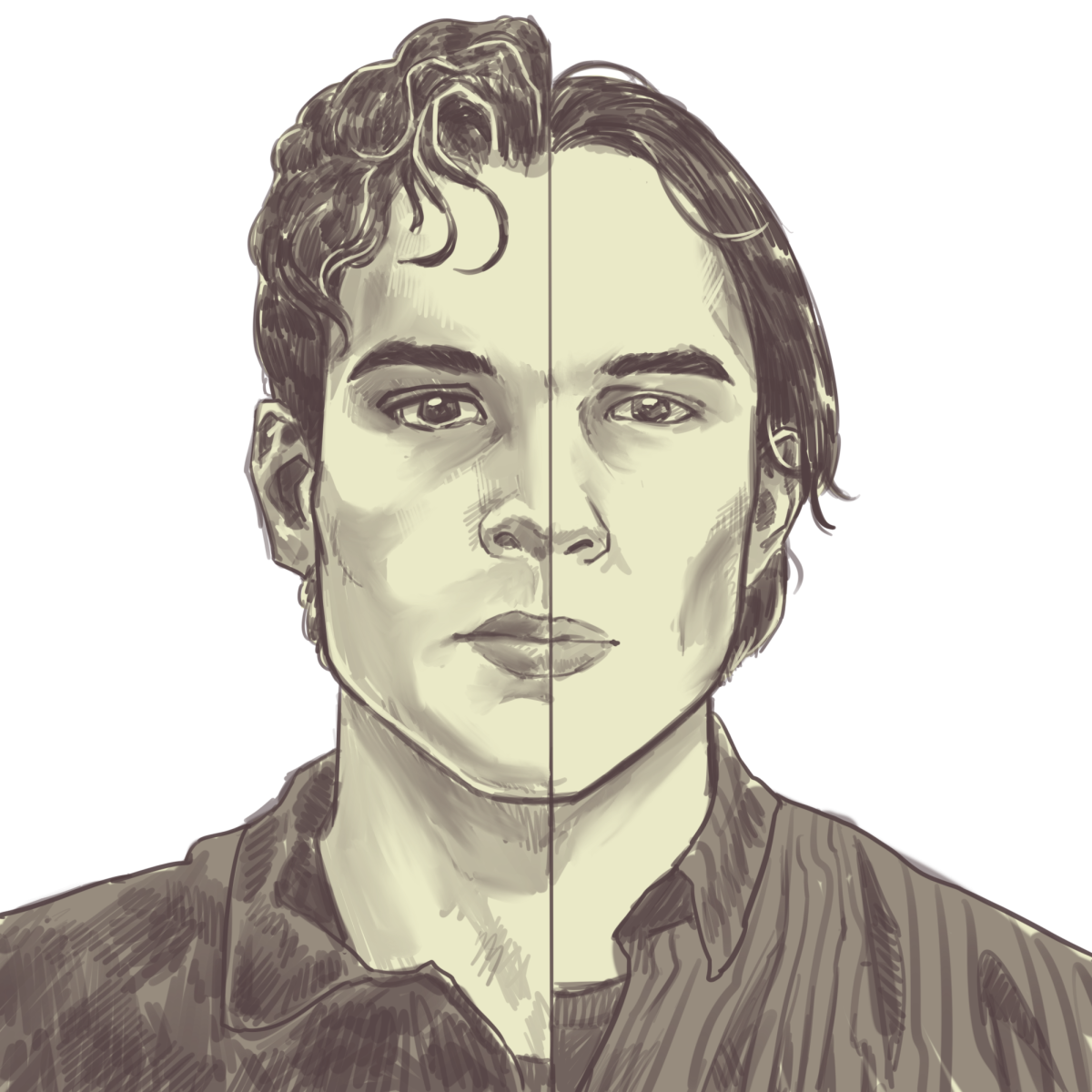
“I’ll always walk around like a Persian popinjay, and no one’s gonna stop me, honey!”
Freddie Mercury’s iconic declaration captured more than flamboyance; it captured the essence of unapologetic freedom. A “popinjay” is someone who refuses to dim their colors, someone who embraces individuality with pride. It evokes a culture shaped by centuries of brilliance: Jalāl al-Dīn Muḥammad Rūmī’s mysticism, Hafez Shirazi’s lyricism, Omar Khayyam’s restless intellect, Mohammad-Reza Shajarian’s voice, Forough Farrokhzad’s defiance, Shirin Neshat’s imagery and the cinematic poetry of Abbas Kiarostami. These creators, men and women alike, built a heritage rooted in beauty, expression and truth. Yet today, in the land of Freddie’s ancestors, that vibrant spirit faces its greatest threat. In 2026, simply existing freely, speaking, singing, dressing or thinking as oneself has become an act of astonishing courage.
In the land of Freddie’s ancestors, freedom has become an act of rebellion. Since late December 2025, Iran has been seized by a national uprising that can no longer be framed as protest; it is a revolution. After decades of repression, corruption and systemic violence, ordinary people have chosen extraordinary risk. Teachers, laborers, artists, students, children and grandparents are standing together against a militarized state that rules through fear and erasure.
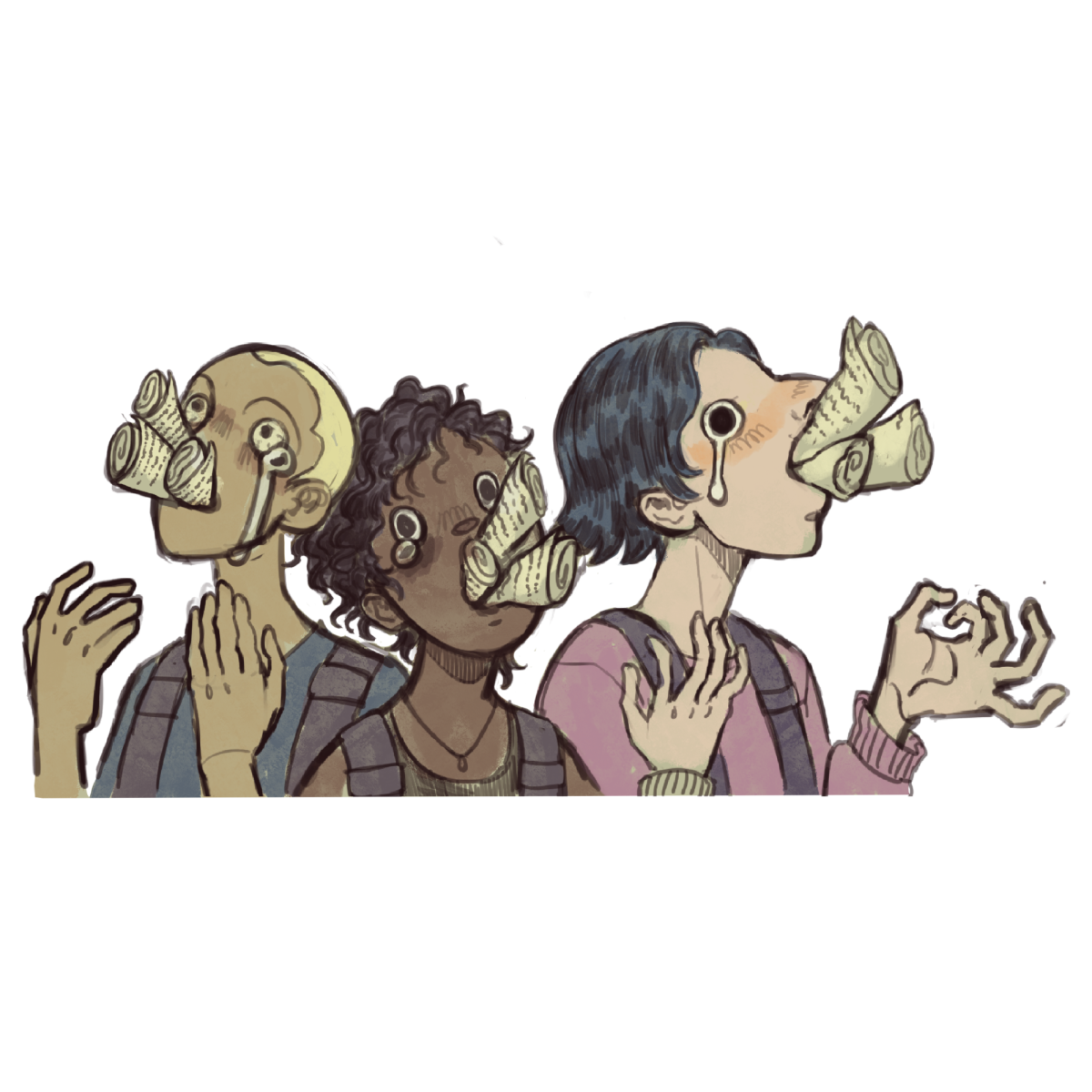
On Jan. 8, the regime initiated a complete national communications blackout. Satellite receivers were confiscated, phone lines severed and internet access erased within hours. This was not a defensive tactic; it was a deliberate strategy to obscure violence and prevent the world from witnessing what human rights observers fear is one of the deadliest crackdowns in the nation’s history. With no way to report, livestream or call for help, thousands have been cut down in the dark. Digital silence has become a weapon.
But what makes this revolution historic is the unity rising within the blackout. Although the “popinjay” quote emerges from a Persian lineage, this movement is carried by the full mosaic of Iran’s people. Kurds, Turks, Balochis, Arabs and Persians, communities long targeted by divide-and-rule policies, are standing shoulder to shoulder. From Sistan and Baluchestan to the avenues of Tehran and Tabriz, the chant, “Together, With One Voice, Toward Freedom,” reverberates across languages and identities. The regime’s greatest strategy has always been division; the people’s greatest strength has always been their refusal to accept it.
This struggle is not abstract. It is lived every day by unarmed civilians who face the full force of the state. Children are rejecting indoctrination by walking out of classrooms. Young women are burning the symbols of their oppression. Elderly women, some of them old enough to remember the 1979 revolution, stand defiantly before armed forces with nothing but their courage. The revolution is not a political faction; it is a population refusing to disappear.
For those of us watching from afar, especially members of the Iranian diaspora, the darkness is suffocating. Many have lost contact with family, going days or weeks without knowing whether loved ones are alive. These “cold days” are emotional winters shaped by helplessness, fear, and longing. From a distance that feels vast, the sense of responsibility only grows heavier.
And so the question becomes what can people outside Iran do when a regime has severed the nation from the world?
The answer is both simple and urgent: we can refuse to let silence settle. We can amplify the truth that Iranians are risking everything for the right to live freely. When authoritarian governments can delete a nation from the internet, global human rights become fragile for everyone.
Readers, academics, artists and global citizens alike can help break the blackout by sharing verified updates, supporting human rights organizations, engaging in public scholarship and keeping the story alive in media and academic spaces. In moments of censorship, amplification becomes an act of solidarity.
The people of Iran continue their struggle in the dark, but they have never stopped shining. Their courage is a reminder that even under the heaviest shadows, brilliance persists. Like the Persian popinjay Freddie once claimed with pride, they are fighting for the right to simply be, colorful, free and unafraid.