The saying, “Don’t meet your heroes” is especially true for César Chávez. The New York Times released a shocking report on March 18 detailing that Chávez had sexually abused Ana Murguia and Debra Rojas, two daughters of fellow organizers from the United Farm Workers, from 1972 to 1978. Co-leader of the UFW Dolores Huerta also publicly accused Chávez of sexually abusing her twice while working together.
Chávez led and organized the UFW organization, fighting for union rights for farm workers throughout the nation. As the nation contends with the revelations about Chávez, students must continue to learn and celebrate the UFW foundation and Chicano Movement while acknowledging Chávez’s abuse.
The UFW labor union came at a vital time in U.S. history. Founded in 1962, the UFW was led by Chávez and Huerta, who organized boycotts and led marches to bring attention to the lack of benefits farm workers had. The union propelled Chávez into the national spotlight, cementing his legacy as a powerful civil rights leader. Although Chávez’s reputation is rightfully tarnished, students must not write off the UFW’s legacy.
The UFW served as a megaphone for immigrant workers, advocating for fair wages, leading strikes and boycotts, pushing for union voting and seeking secret-ballot union election rights. The group’s mission to improve farm worker jobs across California and the U.S. changed conditions for future workers. Students in the U.S. were also affected by the UFW’s actions, and the historical implications still make the union worth learning and celebrating, even in the wake of Chávez’s actions.
While Chávez was the face of the UFW union, Huerta was his co-leader. While working together, he took advantage of his status in the union to abuse Huerta. Huerta revealed that she “carried this secret for as long as [she] did because building the movement and securing farmworker rights was [her] life’s work.”
She prioritized furthering the cause over getting justice from her abuser — selflessly putting the needs of others above herself. She recognized the union’s impact on workers’ rights and not wanting to allow her abuser or anyone else to hinder the organization’s credibility.
Huerta is a hero and a fantastic leader. She should be recognized for the union instead of Chávez, especially in light of his actions. Huerta deserves accolades, while Chávez deserved jail time.
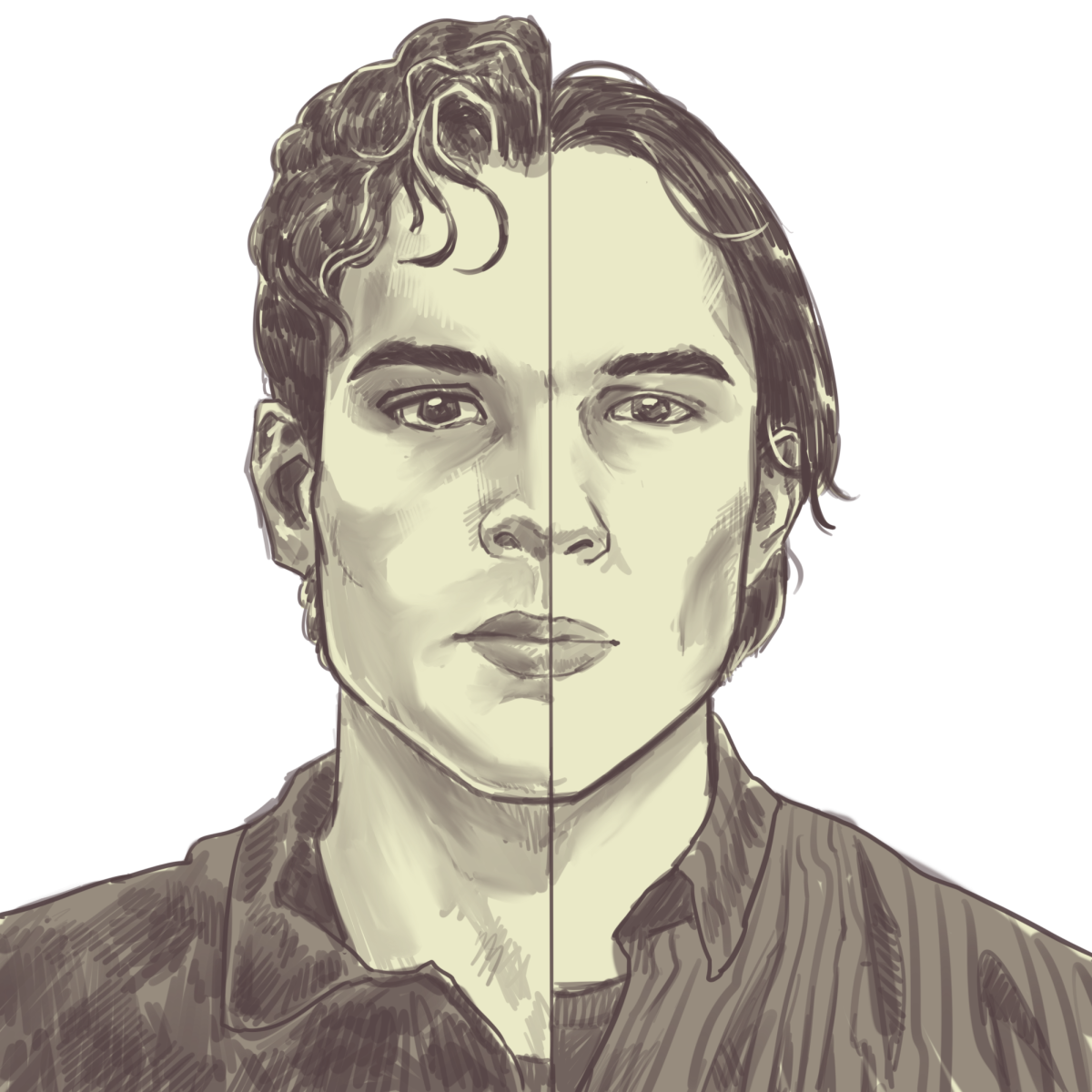
Students in Texas should treat this issue with nuance when learning about Chávez and the UFW. He was a figurehead for Mexican Americans in U.S. politics. But, Chávez was also an evil man who used his power to sexually abuse young girls. He fought to win rights for those who could not fight for themselves, yet behind the scenes, he used the power of the movement to hurt these women. The union gave him power, but the union also elevated many others, making it still worth celebrating.
The UFW changed the lives of future generations across the U.S. It gave a voice to the powerless and clawed for the rights of thousands. Students should remember the union’s impact and Huerta’s sacrifices to further it. Honor Huerta; honor the UFW.