Over the last three seasons, UTSA women’s basketball has turned itself into one of the clearest success stories in the American Conference. The Roadrunners went 18-15 in 2023-24 and came within one point of reaching the American Conference tournament final while also earning a Women’s National Invitation Tournament berth. A year later, they set a program record with 26 wins and earned a trip to the Women’s Basketball Invitation Tournament.
A roster that looked vulnerable all season long, caught fire at the right time, winning four games in four days in the American Conference tournament to reach the NCAA tournament for the first time in 17 years. During that same stretch, UTSA men’s basketball has taken the opposite trajectory entirely, stumbling through losing season after losing season and bottoming out at 5-25 in 2025-26 — the worst year the program has had in decades.
The contrast is too sharp to dismiss as luck, conference strength or NIL fallout. Both programs operate with the same university backing and the same broad institutional limitations. One has built continuity, identity and belief, while the other has slipped into instability, inconsistency and repeated regression.
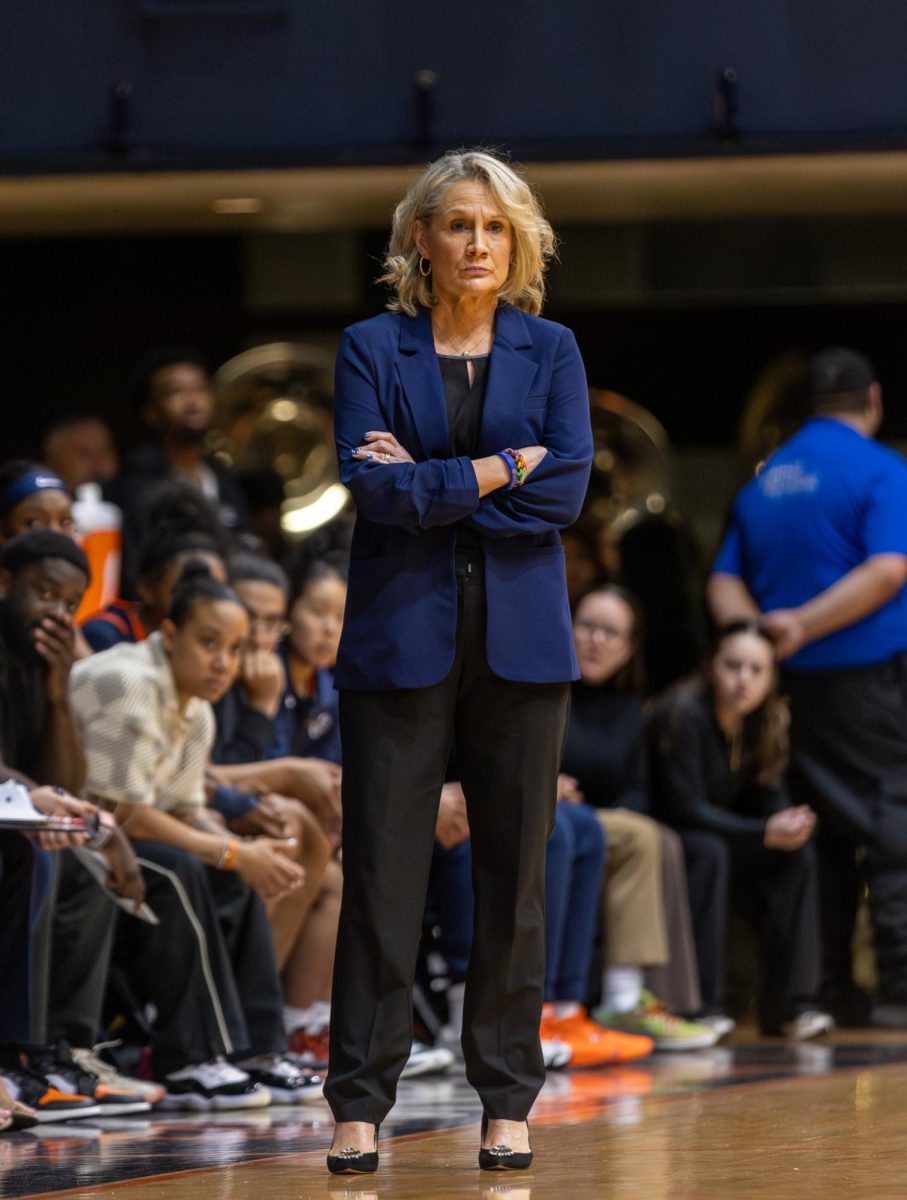
Coach Karen Aston deserves most of the credit for the rise on the women’s side. This past season, UTSA finished first in the American in scoring defense, first in opponent field goal percentage and first in rebounding margin. Even when the offense lagged behind the rest of the league, the Roadrunners had a dependable style built on physical defense, rebounding and getting the ball inside. Just as important, the players Aston brings in tend to fit that style. Jordyn Jenkins, Nina De Leon Negron, Kyra White, Idara Udo and Cheyenne Rowe all made substantial impacts in different ways, and many of the program’s best players have enjoyed growth over long tenures.
The same can not be said for the men. UTSA has had talented guards and scorers, from Jhivvan Jackson and Keaton Wallace to Jordan Ivy-Curry, Primo Spears and Jamir Simpson, but the program has not been able to hold onto momentum or build around a consistent core. NIL has made retention harder in men’s basketball across the country, but that cannot explain everything. Plenty of mid-major programs have adjusted, while the Roadrunners have cycled through transfers, lost contributors and rarely looked connected on the floor. The issue is not simply that players leave. It is that too many of the replacements either do not fit or do not develop into winning pieces.
That comes back to leadership, and Aston has established authority, trust and clarity. Her players defend hard, rebound hard and generally understand where they belong within the system. Coach Austin Claunch has not been able to create the same kind of order. His teams have leaned too heavily on isolation scoring, bad shot selection and a three-point volume that has not matched the roster’s ability. Last season’s group shot poorly, defended even worse and often looked uncomfortable playing together. Transfers such as Stanley Borden, Vasean Allette and Macaleab Rich failed to shift the trajectory in any meaningful way, whether because of fit, injuries or usage. By the end of 2025-26, the men’s team looked less like a program being built and more like a collection of pieces that never formed a whole.
The difference between the two programs is not a mystery. The women’s team has a coach with a clear philosophy, a strong eye for fit and a culture that encourages players to stay and improve. The men’s team has lacked all three. Until that changes, the gap will continue to widen, and if Claunch cannot show in 2026-27 that Athletics Director Lisa Campos made the right hire, UTSA women’s basketball will continue to outshine the men’s program.