Long before the games in Los Angeles kicked off in late March, fans were talking about Olympic flag football as if it would be a casual side quest for NFL stars. Drop players like Patrick Mahomes or Tyreek Hill into a flag football setting, and the result would take care of itself. The logic sounded simple enough; elite football players would translate, dominate and move on. In the middle of all that noise sat players like Darrell Doucette carrying the label of “professional flag football player,” a title many people outright dismissed. It sounded like a novelty to outsiders. Then, the Fanatics Flag Football Classic arrived, and the conversation shifted in a matter of hours.
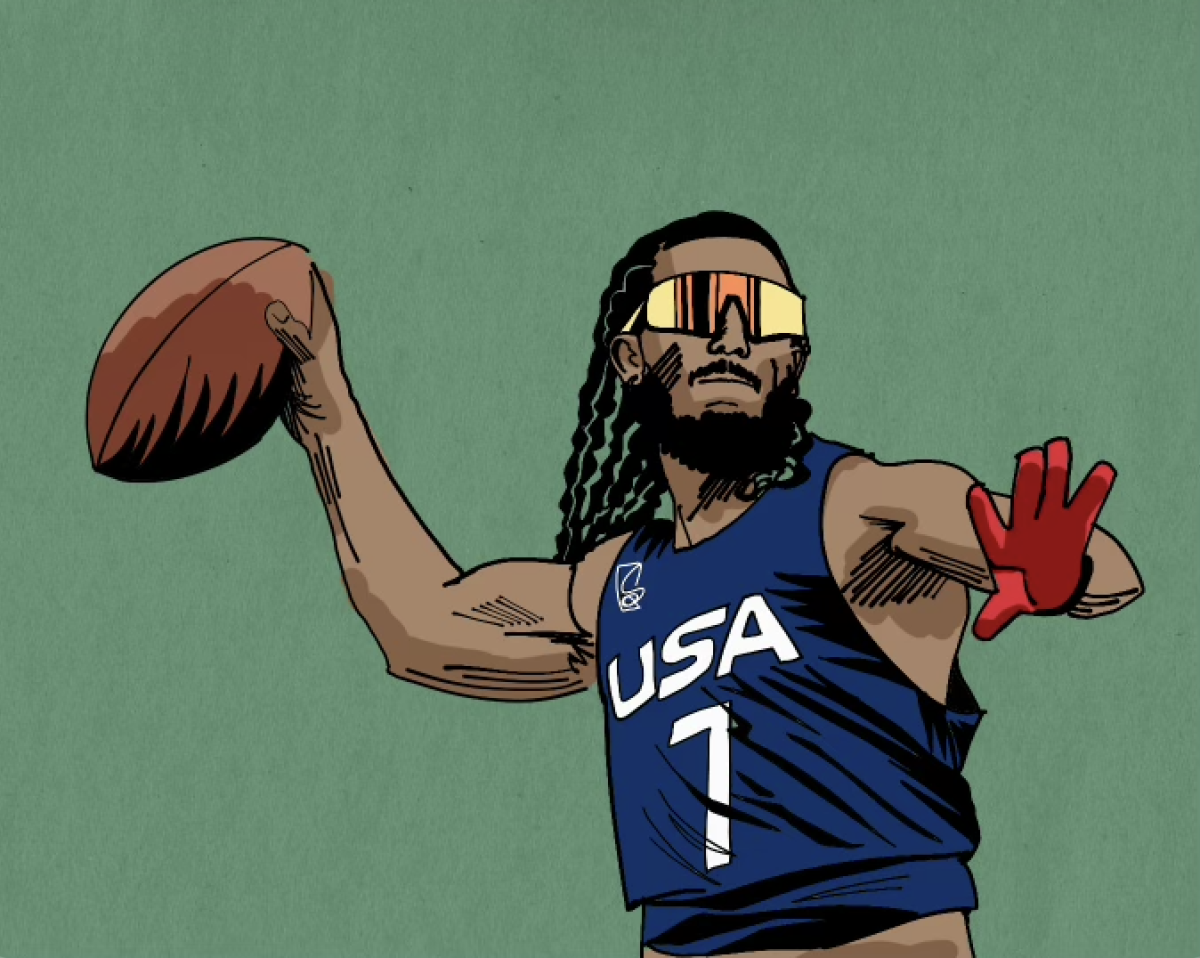
To say Team USA dominated would be an understatement. Facing off against flag football squads stacked with NFL talent, they controlled every matchup from start to finish. The group beat the Wildcats 39-14, crushed the Founders 43-16 and then finished the job with a 24-14 win over the Wildcats in the championship. Doucette was brilliant, throwing for touchdowns, running for scores and controlling the pace of every game. Velton Brown Jr. looked just as impossible to deal with. His burst, balance and body control left defenders reaching for the air. NFL stars who spend Sundays chasing the best athletes in the world could not consistently get flags off these guys. Even in the title game, the closest contest of the day, Team USA still looked like the group playing on a different level.
The results should not have shocked anyone. Flag football is not standard football with less contact. It requires different movements, instincts and habits. The short-area quickness, the violent hip turns, the sudden stops and the ability to dip low and explode back up without losing control all matter in ways that do not neatly translate from the NFL. Team USA’s players looked so smooth because they had trained for this version of the game for years. They know how to create space without contact, how to pull flags without overcommitting and how to survive on a field where one bad angle can turn into six points.
That is why Doucette, who once said he would back himself against Mahomes in this format, should never have been mocked for defending his place in the sport. He understood something the public did not want to hear: Great NFL players are great at NFL football. That does not automatically make them the best flag football players in America. Some of those stars even had their moments in the exhibition, but the broader point still stood. The specialists were better because they play this game all year and have built their bodies and instincts around it.
There is also the injury risk, which should make NFL teams and fans want no part of handing Olympic roster spots to franchise stars. Former NFL tight end Rob Gronkowski tweaked his hamstring during the event, and Cincinnati Bengals quarterback Joe Burrow threw himself around with the kind of urgency that probably made Bengals fans hold their breath. The movements that make players like Brown so dangerous are also the kind that can put an untrained body in a terrible position. Twisting, stopping and bending that sharply is part of flag football, and it demands a level of preparation that NFL players simply do not have.
The weekend in Los Angeles silenced a lot of doubters and should also cool down the outrage from people demanding NFL names on the Olympic roster. Team USA dominated for a reason. These players are professionals in a different sport with different demands. Maybe one or two elite NFL players could earn a spot, but the spotlight should belong to the players who built flag football into an Olympic event in the first place. They earned that stage, and based on what happened on March 22, they give the U.S. its best chance to leave the 2028 Olympics with gold.