“Good Boy,” one of the latest indie films to hit theaters Friday, explored the horror genre through a whole new lens: a dog’s perspective. Directed by Ben Leonberg, the movie follows Indy, Leonberg’s real-life dog, as he moves to a rural family home with his owner Todd, played by Shane Jensen. Things take a dark turn when Indy can sense Todd’s impending doom as the supernatural horrors occupying the home come to light.
Following a health scare, Todd moves to the forested home against the wishes of his sister Vera, played by Arielle Friedman, who viewers only ever hear through the phone. In fact, human faces are hidden entirely for the majority of the movie thanks to creative angles and backlighting. Viewers stay on Indy’s level with lowly positioned camera work, creating the feeling that they are traveling through the story with a dog, not a human.
Things go south quickly after moving to the rural house. The furniture covered in plastic, dim lighting sets an ominous tone, and the tidbit of information from Vera that all previous occupants either left or died make the house feel like an eerie ghost town.
Indy gets spooked by banging noises and goes to investigate. String-heavy music intensifies as Indy finds a shadowy silhouette in the corner that disappears when Todd comes up the stairs.
Much of the horror in “Good Boy” follows this format. Indy senses a force lurking, investigates and appears crazy when Todd arrives to find nothing wrong.
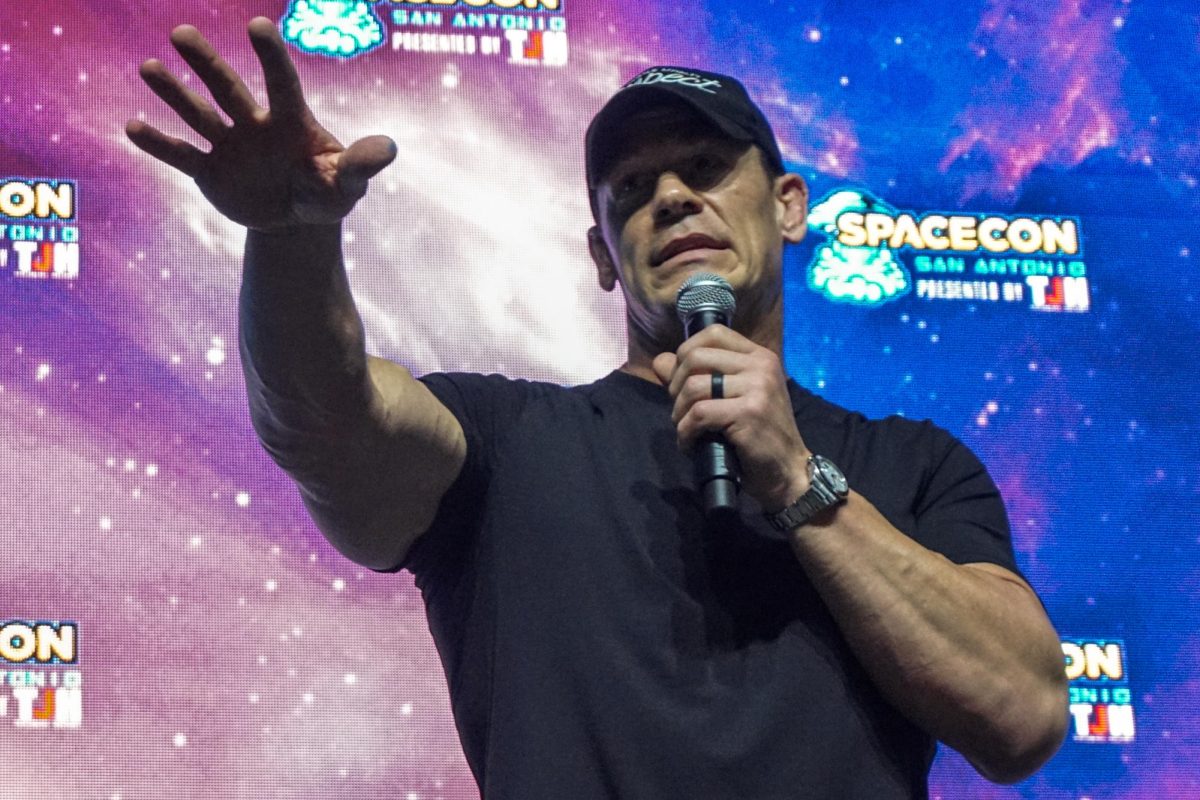
Leonberg appeared in a post-credits segment in which he discussed production, saying that he was working with the common experience of getting spooked by a dog when they are seemingly staring at nothing. The concept is slightly engaging because something really is there, but reusing the same scare technique quickly becomes repetitive and loses its intrigue.
Despite the ill-conceived premise, Indy truly lives up to the star title that has been the main attraction of the film’s press tour. The amount of emotion that viewers can draw from a closeup of a dog’s face is amazing. Indy masterfully portrays fear, pain and love for Todd thanks to creative behind-the-camera methods. Leonberg emphasized in his address to the audience that Indy was never truly scared or hurt, but has a natural seriousness that translated perfectly to the screen.
While Indy’s fear is palpable to the audience, the frights that affect him get a bit confusing. Grimy black hands become a recurring motif, but when in one of the scares Indy ends up completely covered in the grime despite not having been touched by anything, it is unclear what exactly occurred.
Todd’s coughing and sickness progress throughout the film, but it is unclear if the supernatural caused his illness or if it is a condition. The hauntings would explain his worsening health, but a coughing scene from before they moved to the house as well as an MRI showing real physical affliction leaves viewers confused. This may have been purposeful, as Indy would be puzzled as well, but it translates to seemingly slapped-on problems that add to the film’s ambiance rather than its substance.
The movie’s culmination tugs on the heartstrings of viewers, with Indy’s grief becoming tangible as he looks repeatedly back toward the location of the film’s climax before finally running off screen. Viewers resonate with the poignant ending, all through the emotions of a dog.
“Good Boy” masterfully conveys the feeling and the experience of a dog in a haunting situation, but ultimately, the scares are lacking and leave horror-lovers unsatisfied.