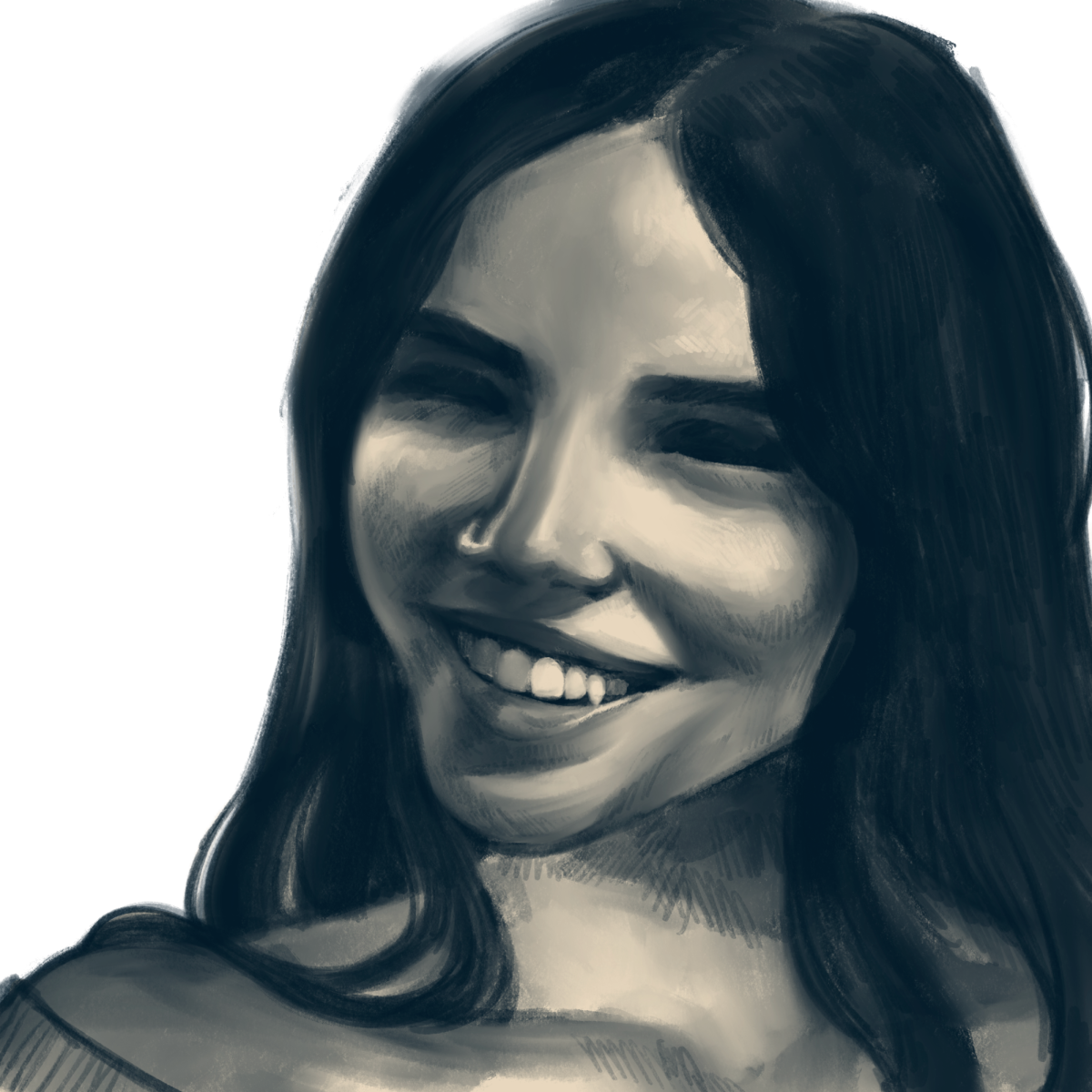
Jilly from Philly, or Jill Scott, returns with her highly anticipated album, “To Whom This May Concern,” released on Feb. 13. The aunty-bop album infuses a variety of genres from trip-hop to blues that blend to create an experience that carries a stronger, more powerful voice than her previous works.
While the album stands out in some respects, Scott continues to maintain a warmth in her artistry. Scott reflects on her roots and those who paved the way for her, enveloping herself in her neo-soul, funkadelic groove. In “Offdaback,” she sings, “They did it for themselves (Tina), but ultimately (Billie), they did it for us,” to commemorate Black artists who came before her.
Her album pulls the listener from all directions, often tugging with no clear direction. From singing about Black figures who paved the way to rapping about her objective greatness in “Norf Side,” the body of work lacks a coherent theme, but the album’s musicality and swing make up for it.
Throughout, she displays her versatility and proclivity to making different sounds and genres her own. In “Norf Side,” the listener is introduced to Rap Scotty. In “Dope Shit,” the listener gets to peer at Spoken Word Scotty. She then offers a burlesque-infused New Orleans blues song, “Pay U on Tuesday,” singing, “I said I don’t want no more n—- blues.” A line for every woman who has dealt with a trifling, lowdown man. Through each genre switch or flow change, Scott displays her mastery in different styles of art.
Despite thematic obscurity, Scott proves that her art still speaks to the soul. In “Me 4” and “BPOTY,” Scott narrates the struggles of having to navigate the world during financially hard times. In “Me 4,” she sings, “They needed money, I lent them money,” and “Now it’s April and I feel sick.” In “BPOTY,” she calls out churches that constantly drain members of their funds, proclaiming, “Biggest pimp of the year.” Scott beautifully constructs a dialogue with her audience through her music, bridging melodies of understanding that recognize a set of her listeners.
Scott begins to transport the listener back to her roots, which lie in a softer, rhythmic flow. “The Math” and “A Universe” carry a Scott who vocalizes in a misty, smooth tone. Their slower progression allows the listener to placidly sink into the singer’s love melody.
Scott’s new album traverses various genres and tempos. Towards the end, Scott’s album sounds like a reflective journey, summarizing the new realization she has reached at her age; however, the lack of a concrete theme makes it hard to follow the album’s story. Even without a coherent story, Scott conveys her different personas in this work, offering a funkadelic yet intimate dance album for every aunty to listen to.