


Pay thousands of dollars for a PDF and a professor they will never meet — that is what UT San Antonio gradually asks its students to do when it transitions more courses to be solely available online. While virtual classes have opened doors for many nontraditional students, removing the option to attend a class in person obstructs students’ ability to make connections with peers and professors and harms their quality of education.
When students begin their degree at any university, they cannot wait to enroll in the classes that actually pertain to their major. Unfortunately for some, after grinding through a core curriculum for up to two years, they are greeted with a predominantly online course catalog. This tragedy is especially true for those in the humanities-based majors, such as communications, political science, politics & law and global affairs. These students contend with either never stepping foot in a classroom with their own peers or weeding through highly limited options that may not fit their interests.
This divisive system damages connections and critical development of skills. The most human interaction anyone could get in an online course is a surface-level response to a discussion board post or a due date question in a GroupMe. While online options allow for flexible scheduling, university-mandated isolation creates an environment of like-minded undergraduates estranged from each other. Numerous student organizations attempt to fill the gap, but there is only so much they can do without structure from the university. Peer relationships are especially important in humanities fields where there is no defined path after graduation.
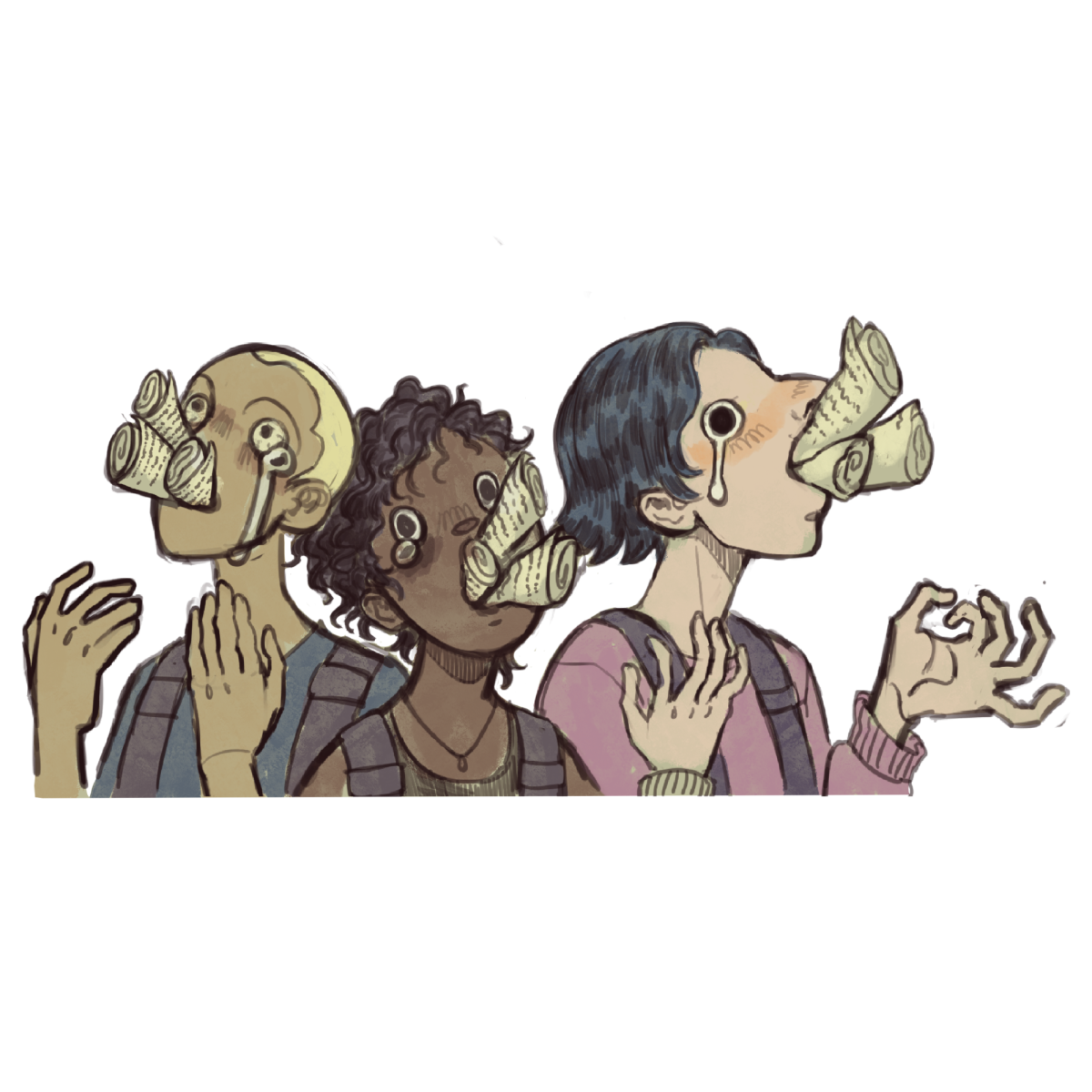
Students are also separated from their professors. In an online class, announcements, questions and comments are left for impersonal emails, and the goal is to merely complete the class. When a class is online, few are lucky if their professor even hosts a regular Zoom session. Some opt to post a weekly video lecture or module that requires just as little effort to complete as it did to make. Quizzes are “open note,” assignments might as well be completion grades, and learning is minimized. The university does not need to hire an overworked attorney to teach an asynchronous pre-law course. Worse yet, professors and students struggle to develop the connection required for a strong letter of recommendation.
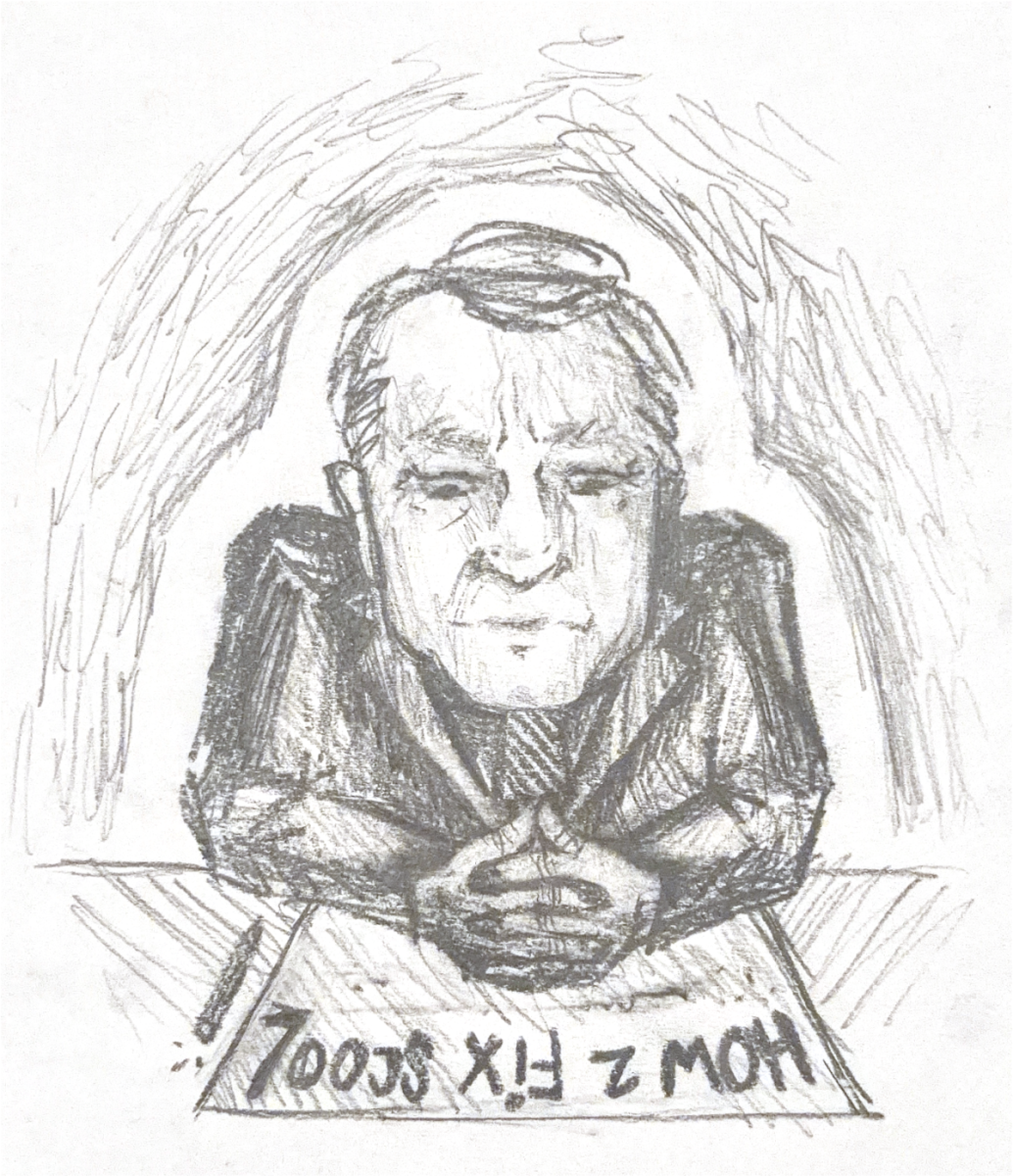
It is perfectly fine if the university offered online courses as an option, but offering no in-person option for certain required courses is horrifically disingenuous. At that point, UT San Antonio might as well paste a PDF on canvas and call it a “class.”











Melissa Garza • Apr 22, 2026 at 10:22 pm
Absolutely correct! Not to mention all the money being spent on on campus and off campus student housing to only have one in person class? We should really save the money and just do all online in that case! We pay more for the housing and over priced meal plans then the tuition!
Scott • Apr 1, 2026 at 2:49 am
Wow! I thought I was the only person who thinks this way. I’d always been chastised for stating a preference for actual face-to-face instruction in a brick-and-mortar classroom/lecture hall