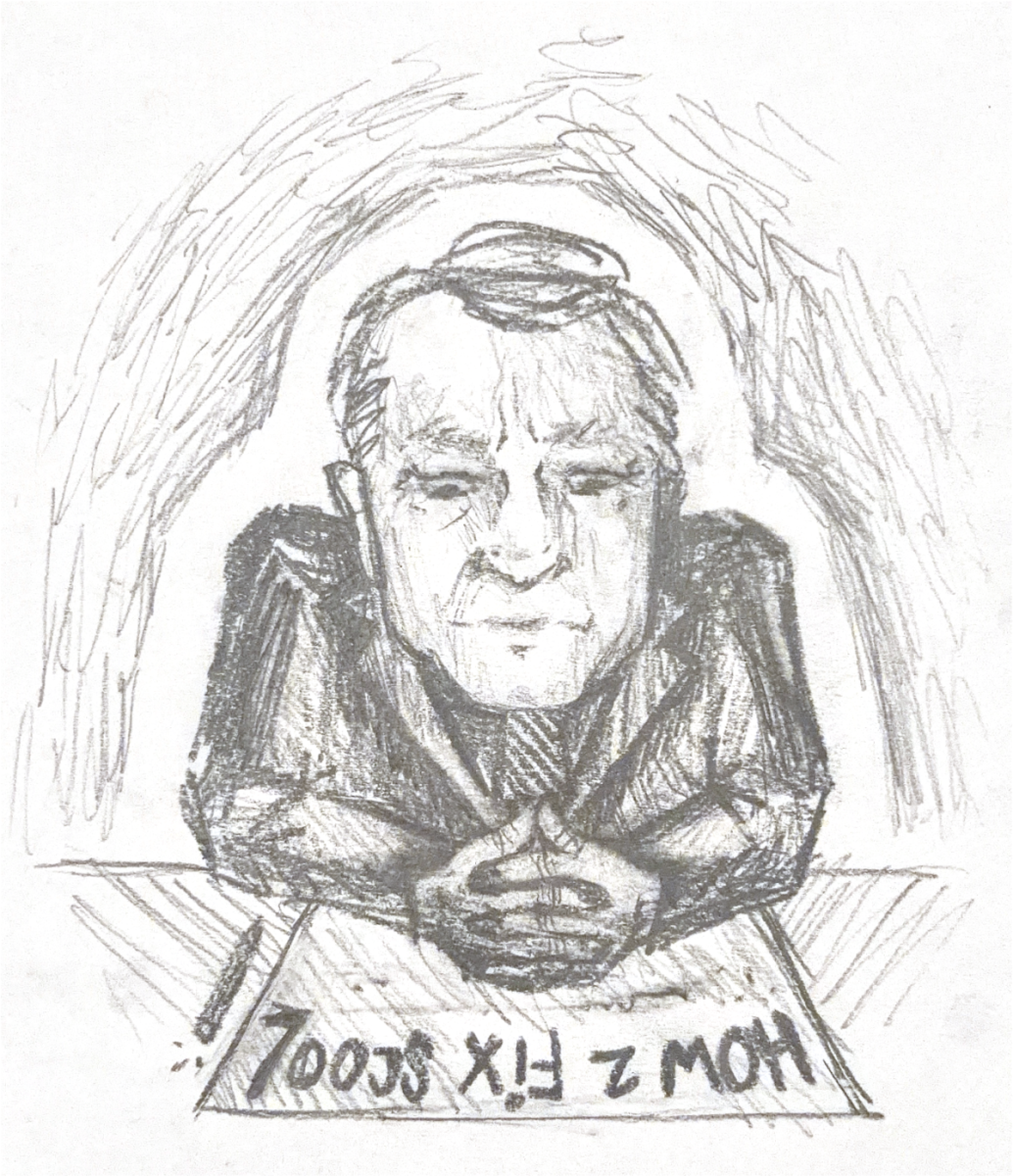
When admitted to a university, any student would hope their college is accepting more than just tuition money; they hope their disability would not burden their education. Unfortunately, for those attending UT San Antonio, their university is more interested in filling class rosters than ensuring students can physically attend class. UT San Antonio fails disabled students by placing unnecessary hurdles for accommodations and ignoring hindrances to campus navigation.
Universities require applicants to send their grade-point averages through their current institution and their testing scores through College Board or ACT Inc. However, when it comes to transferring disability accommodations, students are weighed down by an additional application. Rather than seamlessly transfer disability statuses — like every other college application element — a separate standard applies for this underserved community.
The Paisano sat down with a representative from DREAM UTSA, an advocacy-based student organization for students with disabilities. According to the representative, the procedures behind accommodations are often too complicated or costly for students.
Public schools are required to seek out and evaluate children who may have disabilities. These disability evaluations are free, and the burden to complete them is on the school. However, at the university level, different regulations apply, and colleges have more jurisdiction to decide how much they want to disadvantage their disabled students.
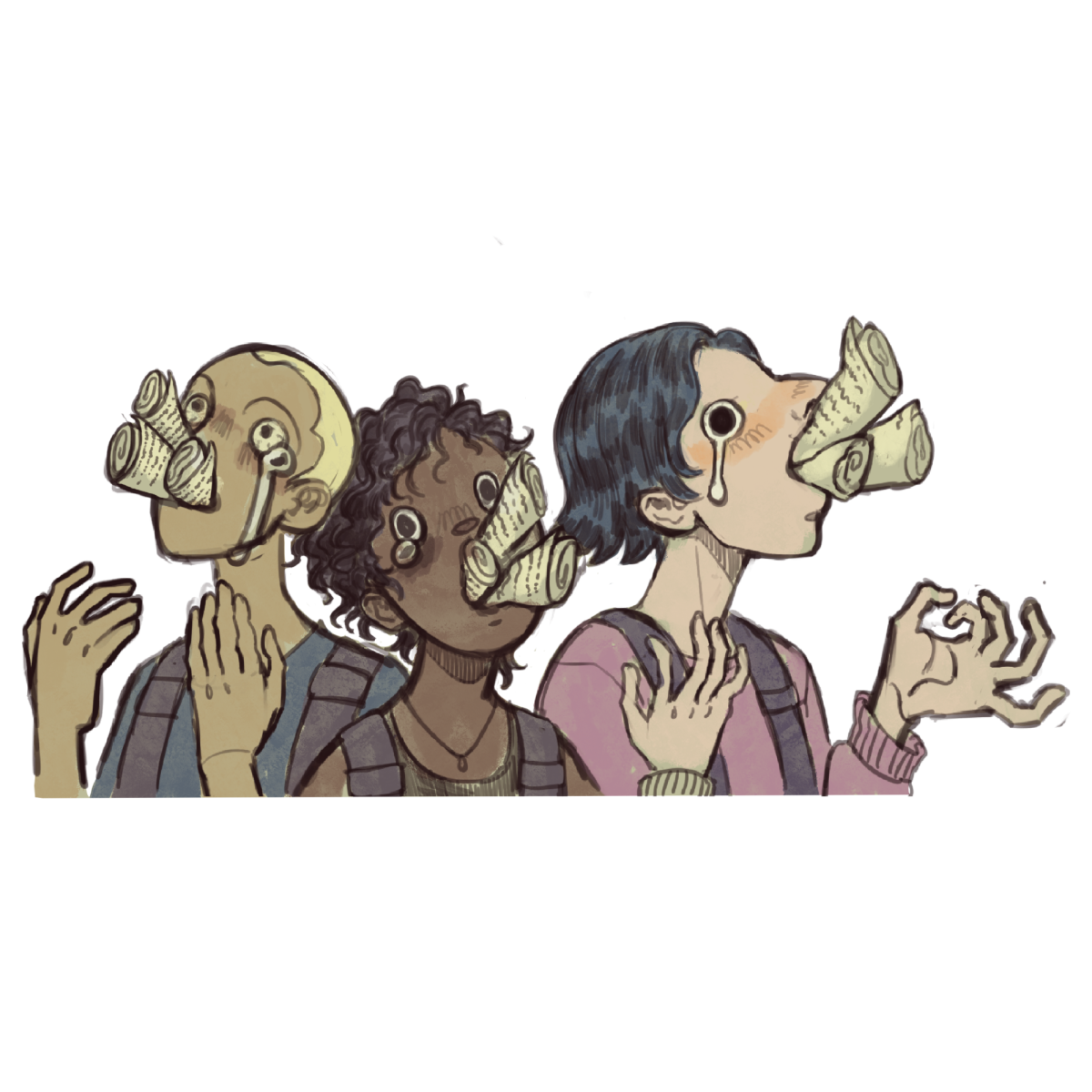
At UT San Antonio, students must pry their necessary accommodations from the university. Students are often unsure what accommodations are available for them, and the university provides little guidance for those combing through its outdated website. Receiving a diagnosis from the university also has an additional cost. With so much callous disregard, receiving accommodations at all is nothing short of a miracle.
After a student is finally granted their accommodations, UT San Antonio’s bureaucracy — again — blocks the path forward. Students who require notetakers often do not receive assistance until after several class periods have passed, and problematic infrastructure issues require reporting, rather than the university working proactively.
Discriminatory bureaucratic walls likely explain why 72% of students with disability status in high school do not report it in college, leaving many disadvantaged throughout college. Systemic constraints inevitably contribute to only 16% of high school-graduates with disabilities receiving a bachelor’s degree.
Those contending with mobility issues are forced to navigate around an inaccessible campus, as stairs dominate the Main Campus. Students in wheelchairs are hindered by too few elevators and steep ramps as well as frequent issues with automatic door buttons. Infrastructure issues likely account for many physically impaired students not visiting campus unless required to.
While these problems are plentiful, solutions are rather straightforward. Partnering with high schools for managing classroom accommodations would likely even reduce strain on the university. Other fixes require administration to treat impaired students as people, instead of inconveniences: eagerly fix campus accessibility, alleviate procedural strain and fully administer requested accommodations.