Voters easily passed all 17 amendments to the Texas Constitution during the Nov. 4 election. The amendments covered a wide range of topics, including preventing or decreasing various taxation methods, affirming parental rights and adjusting the Commission on Judicial Conduct. Almost every proposition passed by at least 20 points, making the results cut and dry; however, the language used in many propositions remains unclear.
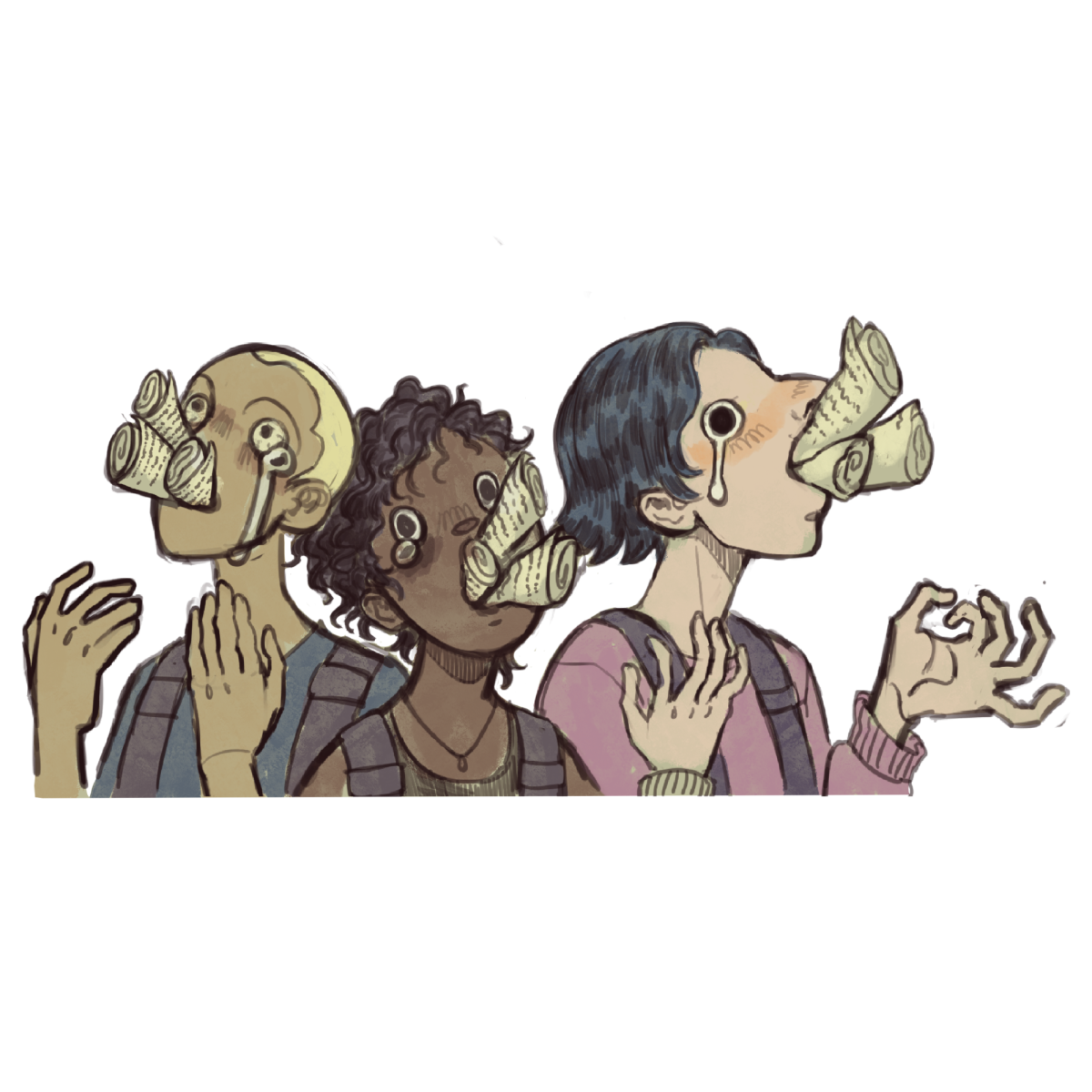
For as long as the nation has existed, deciphering language in legislation has been a challenge. The U.S. even has a section of government dedicated to decoding what certain laws mean — the judicial branch. If the Supreme Court still cannot consistently settle what certain amendments imply, voters are even less likely to understand when voting for initiatives designed to be confusing. The Texas propositions in the latest election were no different — some were difficult to understand or had unclear effects, which could have led voters to act against their own interests unknowingly.
Proposition 15 read, “The constitutional amendment affirming that parents are the primary decision makers for their children.” The amendment will likely allow parents to further encroach on education, politicizing it in the process.
While conservative groups may agree with enshrining parental choice, Prop. 15’s vague language actually removes all autonomy from parents. Ultimately, parents will never get to decide what “the right to make decisions concerning [their] child’s upbringing” entails. When an enshrined right is unclear, it is the courts and legislature that decide what it means. The citizens the proposition was designed to protect are cut out of the process — a key factor many voters were likely unaware of.
On the other side is Proposition 12, altering the State Commission on Judicial Conduct’s membership. The proposition’s language was nearly the longest on the ballot, but failed to explain its effects. Any voter who did not deliberately research this specific proposition would only understand that it will “change” the commission’s composition. They would not know that the proposition gives the governor more power by allowing him to appoint more commission members.
Unclear ballot language places a greater burden on voters who must spend additional time on a voting process that should be seamless. Voters with low literacy face additional challenges when ballots are poorly written. Similar to gerrymandering, ballot design allows legislators to choose and manipulate voters rather than allowing constituents to elect what is best for them. In the next election cycle, voters can submit corrections to the Secretary of State, and state legislators should be petitioned to create clearer ballot language.