UT San Antonio researchers secured a grant from the National Institute on Aging to fund their research hub, the San Antonio Center for Alzheimer’s Disease and Related Dementias, Population Aging and Social Studies. The research will have a multidisciplinary approach — combining neuropsychology, demography, public health and biology — to address the social and biological factors for Alzheimer’s and dementia in aging populations.
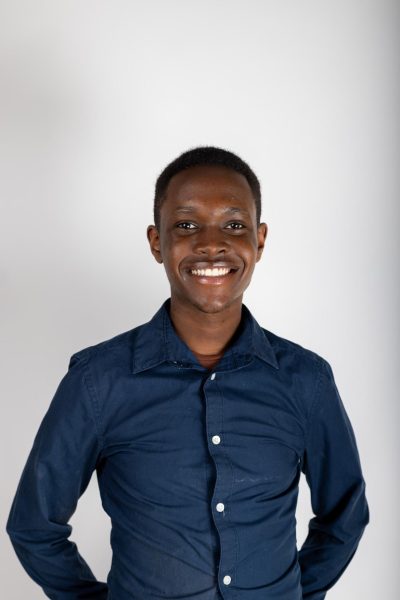
Dr. Fernando Riosemena, a psychology and sociology professor, co-leads CAPAS with Dr. Rebecca Wong, a professor in the Department of Population Health Sciences. During an interview with The Paisano, Riosmena shed light on CAPAS and its meaning for the future of Alzheimer’s studies and UT San Antonio.
Riosmena highlighted how the center’s focus will differentiate from previous examinations with groups studied.
“There tends to be household-based surveys in which a full diagnosis of Alzheimer’s is complicated. It’s lengthy. It requires a couple of visits to a memory clinic, for example, or a specialized physician. Translating those kinds of diagnoses to a population is complicated,” Riosemena said. “Our center focuses a lot on Hispanic [people], especially the health of folks as well in the city and the region through some studies.”
When explaining the importance of focusing on the Hispanic population, Riosmena stated, “Hispanics are one of the largest groups in the country, in terms of racial groups.” He continued, “There’s a lack of research on Hispanics. To some degree, the data infrastructure has improved, but these data sources are relatively new or emerging.”
Through focused examination of the Hispanic population and the development of Alzheimer’s, Riosmena and his colleagues hope to mend the research gap in Hispanic health disparities.
“What we proposed is to kind of catch up or help researchers catch up by promoting research that uses this data, so our center not only includes promoting or helping fund work for research that examines different Hispanic [Alzheimer’s Disease and Related Dementias], it will also promote easier access to many of these data,” Riosmena said.
Riosmena unpacks the current challenges in measuring Alzheimer’s from large blood samples or traveling to local clinics, citing blood spots as a potential remedy.
“The research we will be supporting kind of tries to improve our understanding of how to measure [Alzheimer’s and dementia] in different ways. One of them is with biomarkers, with blood measures,” Riosmena detailed.
He explains how their studies will examine “[if] it’s possible to measure [Alzheimer’s] with a blood spot instead of a full puncture,” and look into the practicality of measuring Alzheimer’s using a blood spot.
In addition to lab tests, CAPAS aims to understand the cultural and social factors driving Alzheimer’s disease.
“Anything that relates to educational opportunities, equality and quality of education is potentially related to [Alzheimer’s and dementia],” Riosmena highlighted when discussing how building knowledge over time can protect against the effects of Alzheimer’s.
The CAPAS program’s multidisciplinary research joins prestigious institutions, such as the University of California at Berkeley and Johns Hopkins University, to use NIA grants to study the effects of Alzheimer’s. According to UT San Antonio Today, CAPAS is helping UT San Antonio advance its mission to become a research powerhouse.