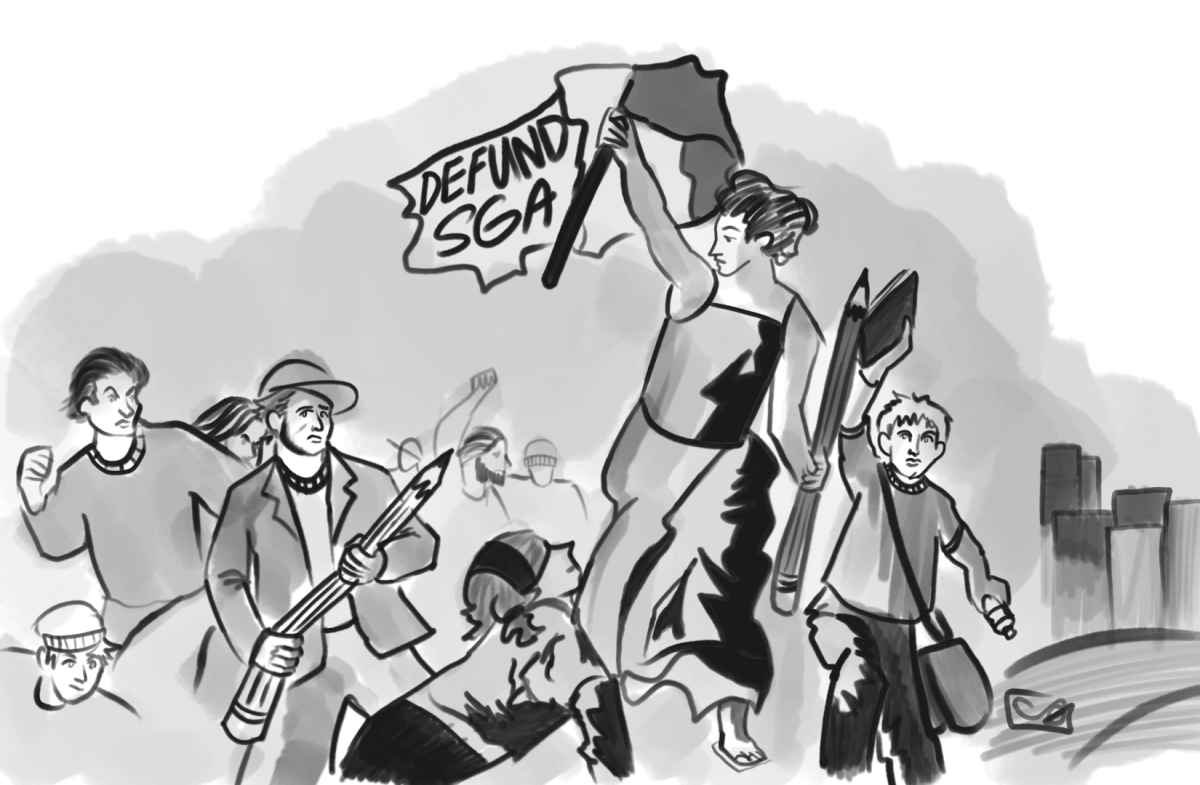
An artist is usually limited by the edges of their canvas. For the writer, it is the ink in their pen, and for all people, time’s scarcity. Beyond these restrictions, human creativity is allowed to dominate in every setting it finds itself in. The chessmaster invents a new endgame strategy, the lawyer finds a niche exception in the law that acquits their client and the farmer designs a more efficient way to harvest his crops.
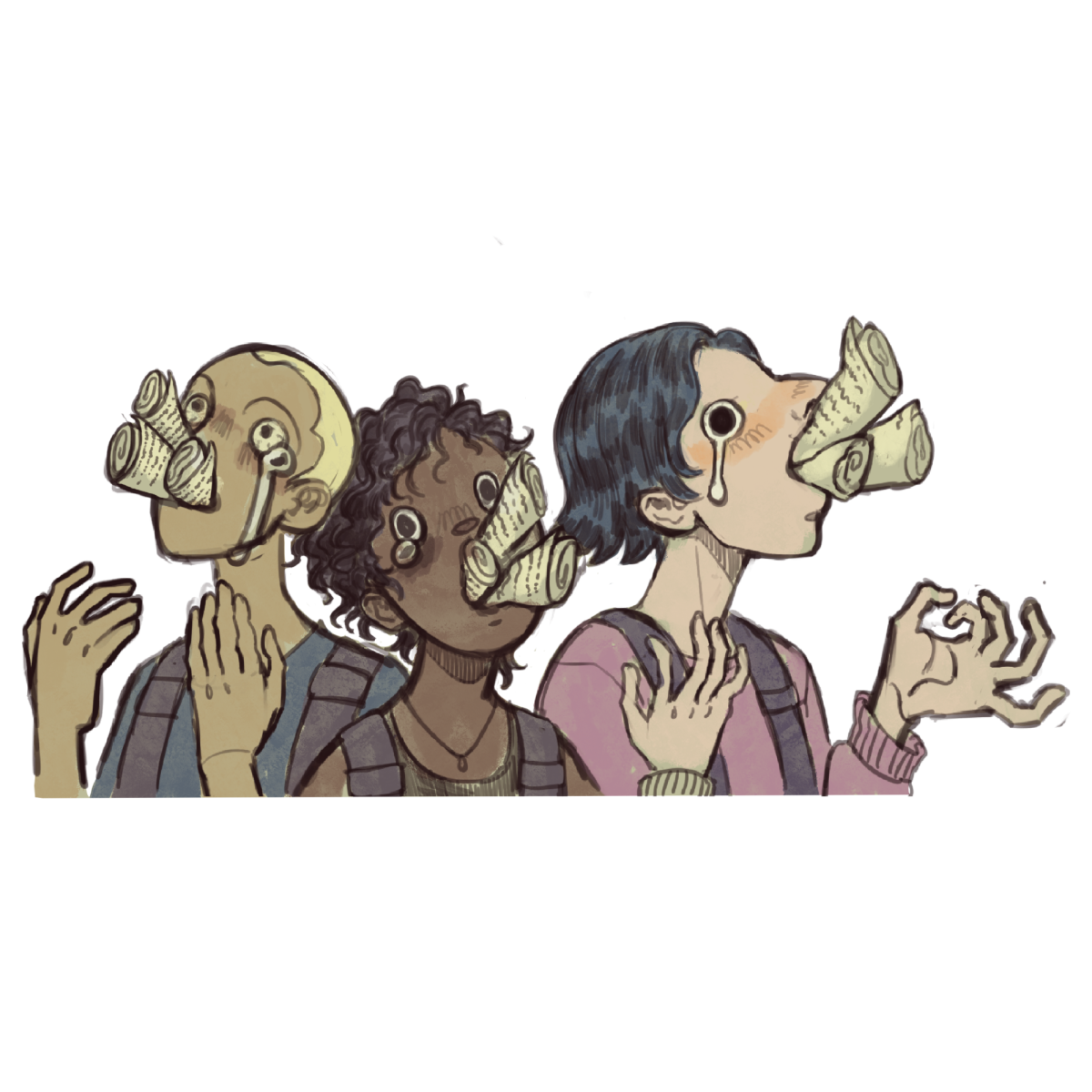
That same creative potential also exists in student life; however, UT San Antonio’s adoption of artificial intelligence in its Microcredential programs acts as another bounding box for students and teaches them to rely on a computer for their creative processes.
When ChatGPT and other AI programs emerged, educational institutions quickly acknowledged that they had no place in professional or student work. Students who were caught turning in an assignment heavily supplemented by or completely authored by AI would receive a failing grade. While AI has since been recognized as a useful tool for editing grammar and final drafts, the university extends as far as to endorse its use for brainstorming and thought organization.
While the university’s guidelines operate on a class-by-class basis, the outer limits they set on acceptable use extend beyond “ethical use.” If the specific course allows it, a student may use AI to copy-paste paragraphs of generated research so long as “AI-generated content is clearly cited, included in the appendix, and reviewed by the student for accuracy.”
If AI’s severe environmental consequences are ignored, perhaps this practice is more acceptable in a non-research or non-writing-based course; however, AI’s integration is even found in staple, expressive courses such as technical writing.
A syllabus for a technical writing class reads, “Any student work submitted using AI tools should clearly indicate with attribution and screenshots of the AI usage drafting process.” The course explains that it will teach students how to adequately prompt AI to generate useful ideas for writing tasks.
Every time AI is used this way, it replaces work that an individual could have done better. When AI is used, it replaces the need to think critically. Social media replaced reading for pleasure, contributing to the country’s decline in literacy; AI could very well do the same long-term. People can organize or come up with their own thoughts for a writing assignment, and a basic Photoshop understanding is far more useful than “AI prompting” skills.
Even if AI has no impact over time, it places an outer edge on human imagination. It regurgitates well-established, bland ideas and, by design, gives users limited options for their work. If AI drives the creative process, everything will be well structured, but nothing will be new or innovative. This is not the “ethical” world that UT San Antonio should aspire to model. Do not crop a student’s canvas before they even pick up a brush.